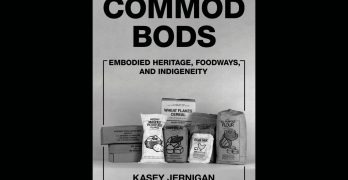
Kasey Jernigan (Choctaw) interviewed and observed Choctaw women over a period of years about food and their relationships to it. She documents what she learned in those observations in her new book, “Commod Bods: Embodied Heritage, Foodways and Indigeneity”. The book uses federal food and nutrition assistance as the jumping off point for an exploration of individual perceptions of food and colonial influences on Native health outcomes.
A quaint eatery in Arizona’s Salt River Pima-Maricopa Indian Community is attracting attention over and above the dozens of other frybread stands that dot reservation roadsides across the country. The Stand was just named one of USA Today’s 2026 Restaurants of the Year. It’s built by the same person who makes the frybread dough and serves the soup in a decidedly rustic setting.
Marique B. Moss explores her Black and Indigenous identity in her poetic memoir, “Sweetgrass and Soul Food”. She is among the Native people offering support to Minneapolis residents in the wake of the expanded immigration efforts from her space, Mashkiki Studios.
