Podcast: Play in new window | Download (Duration: 56:21 — 38.7MB) | Embed
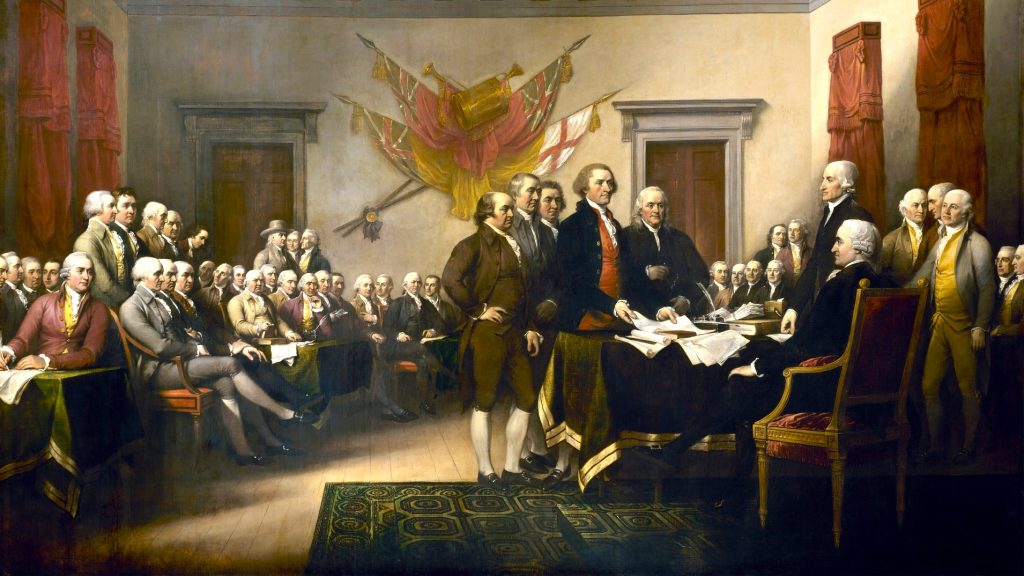
The celebrations of the country’s independence are not the same for Native Americans. As a year of events, re-enactments, seminars, and commemorative coin creation gets under way to mark 250 years since the signing of the Declaration of Independence, many Native Americans are asking where they stand in the historical narrative. Some states have developed dialogues with tribes as they plan out the year’s events. Some tribes have a more direct connection to the resulting Revolutionary War than others. We’ll get an idea what Native citizens are anticipating as the country collectively honors what it calls “the Founding Fathers”.
GUESTS
Darren Bonaparte (Akwesasne Mohawk), director of the St. Regis Mohawk Tribe’s tribal historic preservation office
Andrei Jacobs (Orutsararmuit Native Council), former director of Tribal Partnerships for America250, freelance consultant, and content creator
Robert Lilligren (White Earth Ojibwe Nation), chair of the Metropolitan Urban Indian Directors of Minneapolis and president and CEO of the Native American Community Development Institute
Break 1 Music: Water by Jim Pepper [Arranged by Jhoely Garay] (song) Julia Keefe Indigenous Big Band (artist) Live at Joe’s Pub, NYC on January 13th, 2024 (performance)
Break 2 Music: Put Your Feathers On (song) Blue Moon Marquee & Northern Cree (artist) Get Your Feathers Ready (Album)

Thanks for sharing this important conversation. It’s vital to remember that while 250 years of nationhood is a milestone for some, it reflects very different realities for Native nations — many of whom lived here for thousands of years before 1776 and continue to experience sovereignty, treaty rights issues, and cultural misrepresentation today.
I appreciated the dialogue around inclusion and recognition, especially how states and tribes are navigating this year’s events with nuance and care. Let’s keep pushing for history that tells the full story — not just one chapter.
Grateful to have been part of this discussion.
— Andrei Jacobs