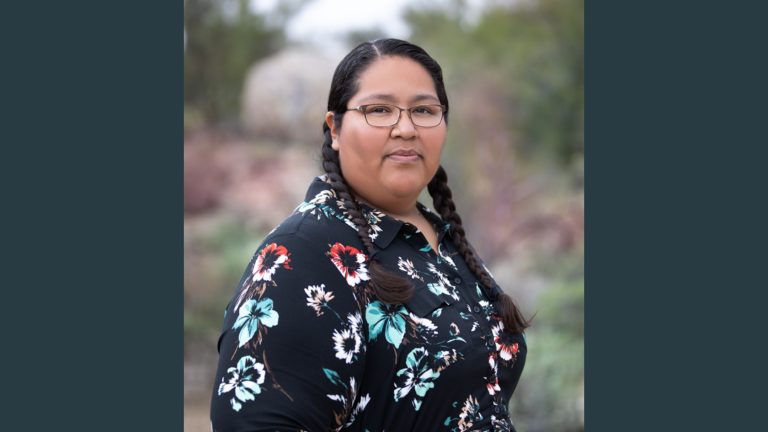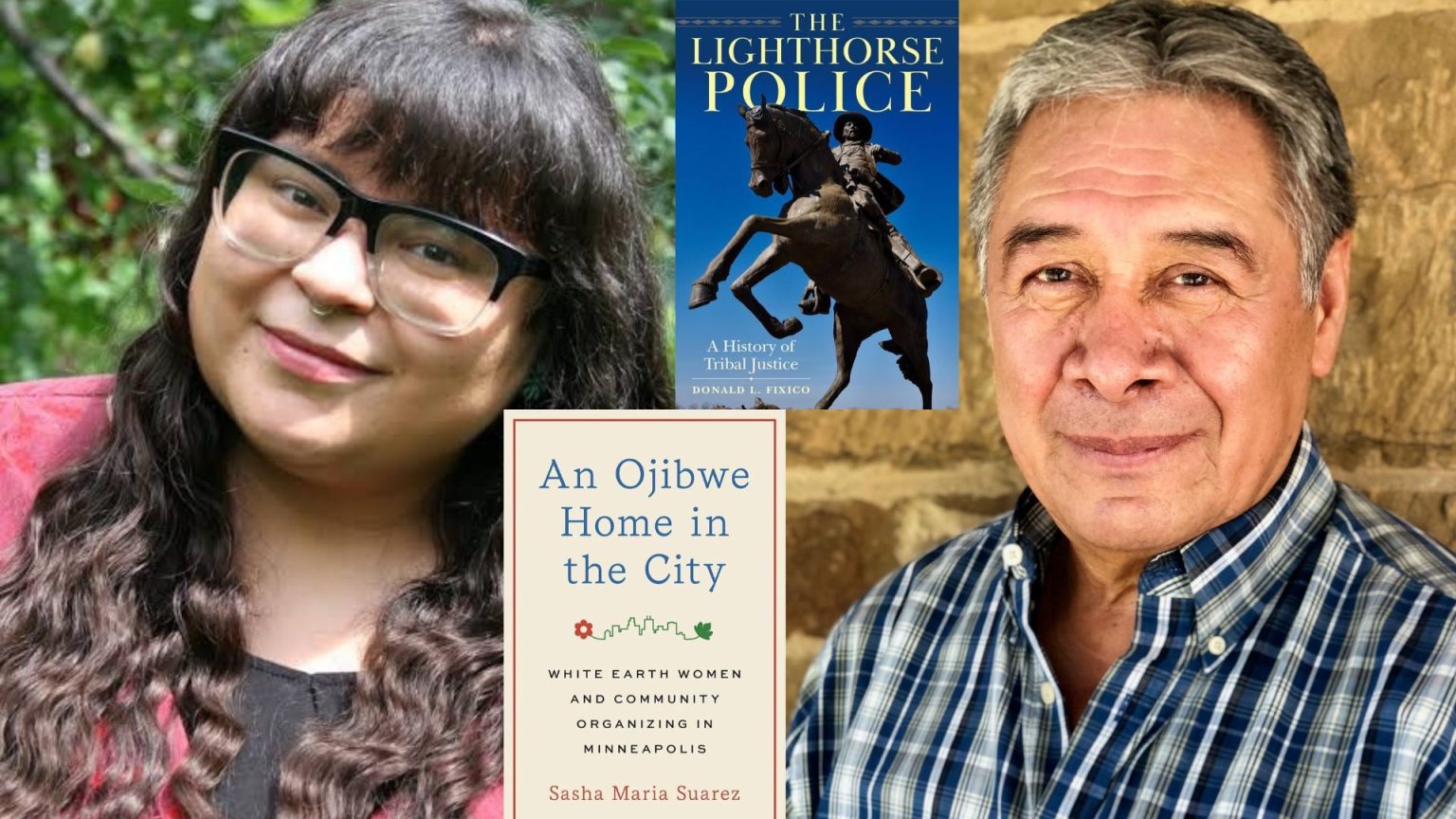

Generations of White Earth Ojibwe women laid the foundation of the present-day vibrant, unique urban Native community in Minneapolis, Minnesota. That’s what historian Sasha Maria Suarez (White Earth Ojibwe) chronicles in her new book, “An Ojibwe Home in the City.” Suarez explores the history of the city’s urban sprawl, the Indian Relocation-era and the grassroots efforts to create the Minneapolis American Indian Center. She looks at how these different Ojibwe women organizers ensured that Native people maintained a community within the city and stay connected to their culture.
Beginning before they were forced to relocate to what became Oklahoma, the Cherokee, Choctaw, Chickasaw, Muscogee and Seminole Nations formed their own police forces, known as the Lighthorse Police, to maintain law and order. Deputies from these tribes served warrants, tracked down outlaws and faced gunfights across remote territories. In his latest book, “The Lighthorse Police,” Native historian Donald Fixico tells the story of these legendary mounted police, whose legacy endures today. He looks beyond the tall tales and romanticized versions of the Wild West to explore how these tribes transitioned from traditional clan-based governance systems to constitutional governments, the influence of figures like the infamous Judge Isaac Parker (aka “the hanging judge”), and how tribal justice was carried out.
Both authors join us for our Native Bookshelf show, our regular monthly feature celebrating Native authors.