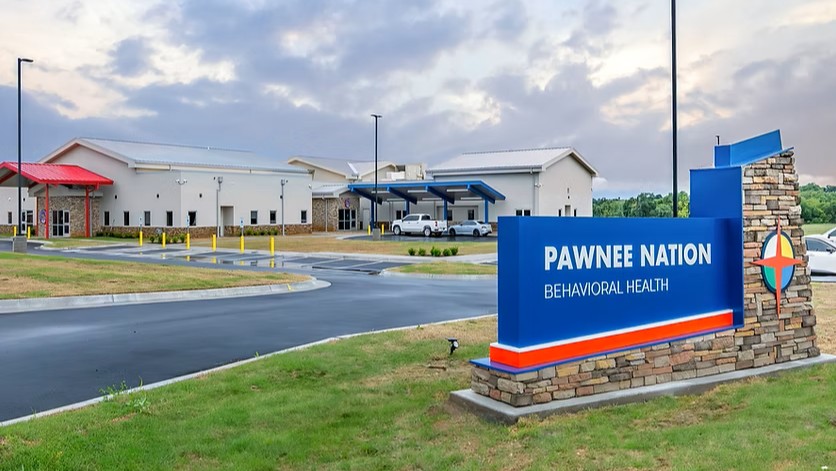
Two new healing centers count on location, cultural practice and family connections to break the destructive effects of substance abuse. In Lodge Grass, Montana, organizers plan an integrated foster care facility to complement a campus designed to support families affected by addiction. The non-profit organization behind the center estimates that number reaches as high as 60 percent of residents in the small town on the Crow Reservation. The Pawnee Nation in Oklahoma is also expanding adult residential and outpatient services close to home, as well as support for children whose lives are disrupted. We’ll hear about a promising focus on cultural treatment options, harm reduction and strengthening families to break addiction’s generational cycles.
Past Shows
Monday, March 2, 2026 — Native crews help solve the growing marine trash problem
Typhoon Merbok swept buildings, boats, and tons of trash into the sea off the west coast of Alaska in 2022. The city of Chevak is one of many coastal Alaska Native communities tasked with helping to find and recover that and other marine debris clogging the coastal waters and shorelines. With federal funding help, the ongoing cleanup is aimed at making the waterways safe for people and marine animals. A similar project is underway in Hawai’i, where the non-profit Papahānaumokuākea Marine Debris Project works year-round, pulling tons of debris from around the northwestern Hawaiian Islands, a place sacred to Native Hawaiians. Coastal tribes are an important piece of the puzzle for solving the growing problem of derelict nets, ropes, boats, and other trash that threaten marine ecosystems. In this program, we’ll talk with some of the people involved in the cleanup about what it takes to rid marine areas of unsightly and dangerous debris.
GUESTS
Richard Tuluk (Cup’ik), project manager for the City of Chevak
Jacquie Foss, commercial fisherman and works with Alaska Sea Grant and the Alaska Center for Marine Debris
Grant Ka’ehukai Goin (Kānaka ʻŌiwi), cultural specialist and lead marine debris tech for the Papahānaumokuākea Marine Debris Project
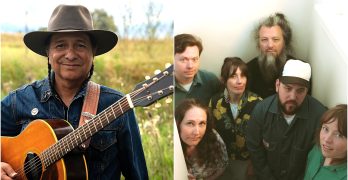
Friday, February 27, 2026 — Native Playlist: Cary Morin and Status/Non-Status
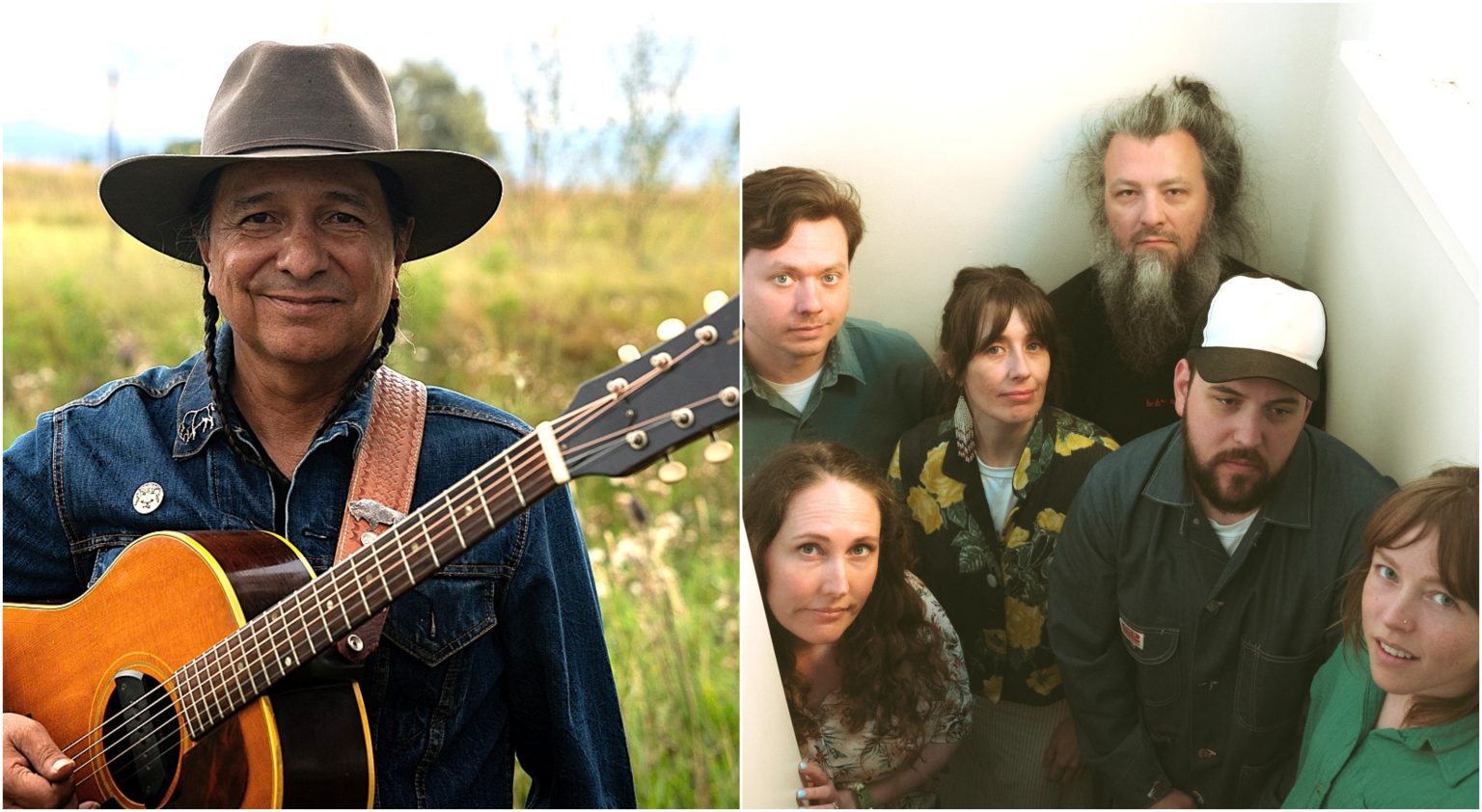
Acclaimed singer-songwriter Cary Morin (Crow/Assiniboine) is back with a new album featuring more of his introspective lyricism, soulful singing and skillful fingerstyle guitar playing. The new album, “Pocket of Time“, captures memories and slices of everyday life on the Crow Reservation in Montana. It is a calm, mellow listen and another refreshing entry in his expansive catalogue that spans folk, blues, reggae, and “Native Americana” genres.
“Big Changes” is the forthcoming album from Status/Non-Status, a Canadian indie-rock band led by Anishinaabe musician Adam Sturgeon. It is the third studio record, following up on 2022’s “Surly Travel”, which was named one of Exclaim! Magazine’s top albums of the year. Beautiful vocals stretch overtop fat guitar chords and incidental sound effects like the unmistakable chime of jingle dress cones. Sturgeon says he never set out to represent all Indigenous musicians, but he feels a responsibility to Indigenize his own music.
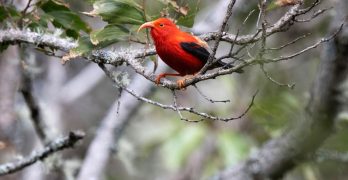
Thursday, February 26, 2026 — Native Hawaiians work to save birds with rich ecological and cultural significance
Honeycreepers only live in Hawai’i and the birds are interwoven into Native Hawaiian culture. Feathers from the strikingly colorful birds are a key part of ceremonial cloaks and other regalia. The birds themselves are prominent in cultural stories, but of the more than 50 original species of honeycreepers, only 17 survive — and those are threatened with extinction. Several factors contribute to the population decline, but a pressing concern is a mosquito-borne avian malaria. We’ll hear from Native Hawaiian conservationists on the efforts to save these unique and important birds.
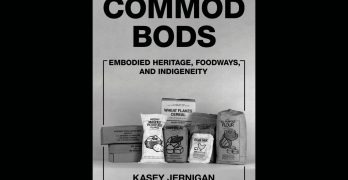
Wednesday, February 25, 2026 — The Menu: Commod Bods, a standout frybread stand, and Afro-Indigenous mutual aid in Minneapolis
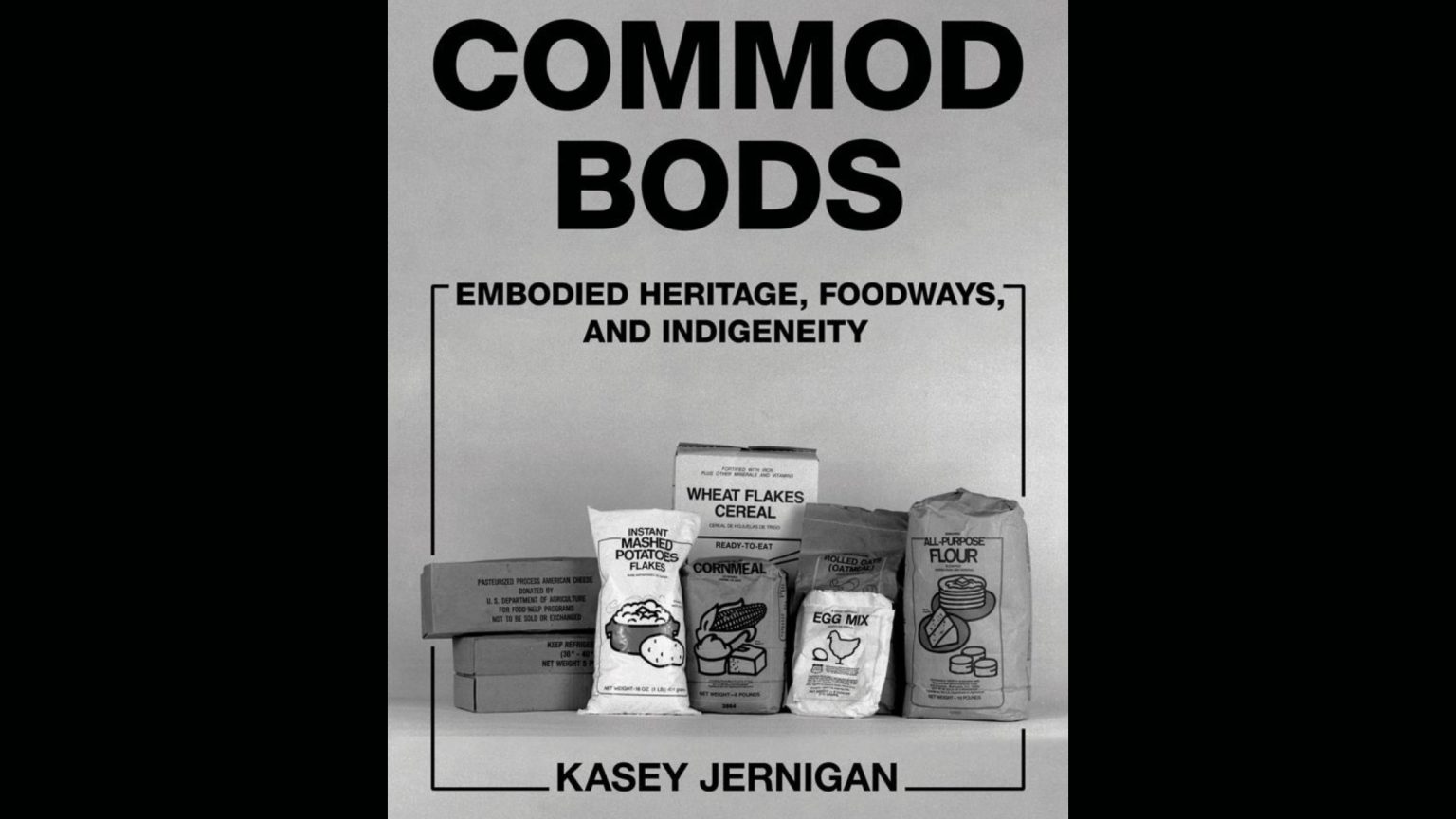
Kasey Jernigan (Choctaw) interviewed and observed Choctaw women over a period of years about food and their relationships to it. She documents what she learned in those observations in her new book, “Commod Bods: Embodied Heritage, Foodways and Indigeneity”. The book uses federal food and nutrition assistance as the jumping off point for an exploration of individual perceptions of food and colonial influences on Native health outcomes.
A quaint eatery in Arizona’s Salt River Pima-Maricopa Indian Community is attracting attention over and above the dozens of other frybread stands that dot reservation roadsides across the country. The Stand was just named one of USA Today’s 2026 Restaurants of the Year. It’s built by the same person who makes the frybread dough and serves the soup in a decidedly rustic setting.
Marique B. Moss explores her Black and Indigenous identity in her poetic memoir, “Sweetgrass and Soul Food”. She is among the Native people offering support to Minneapolis residents in the wake of the expanded immigration efforts from her space, Mashkiki Studios.
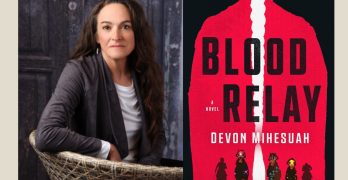
Tuesday, February 24, 2026 — Native Bookshelf: “Blood Relay” by Devon Mihesuah
Choctaw homicide detective Perry Antelope works on a missing persons case alongside the Choctaw Lighthorsemen tribal police in Devon Mihesuah’s (Choctaw) new mystery novel, “Blood Relay“. The story of the disappearance of a young athlete is set against the backdrop of the competitive bareback horse relay racing. The fictional fast-paced thriller also takes on the real-life issue of missing and murdered Indigenous relatives and the evolving jurisdictional complexities between federal, state, and tribal law enforcement in Oklahoma. Mihesuah, a historian and the Cora Lee Beers Price Teaching Professor at the University of Kansas, continues her tradition of creating strong leading women. She’s the author of the detective Monique Blue Hawk series (“Document of Expectations”, “Dance of the Returned“ and “The Hatak Witches“) and the 2024 collection of horror stories, “The Bone Picker“. She authored several non-fiction titles including “Recovering Our Ancestors’ Gardens: Indigenous Recipes and Guide to Diet and Fitness”. We add Mihesuah’s Blood Relay to our Native Bookshelf.

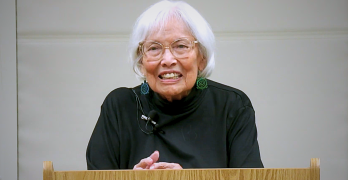
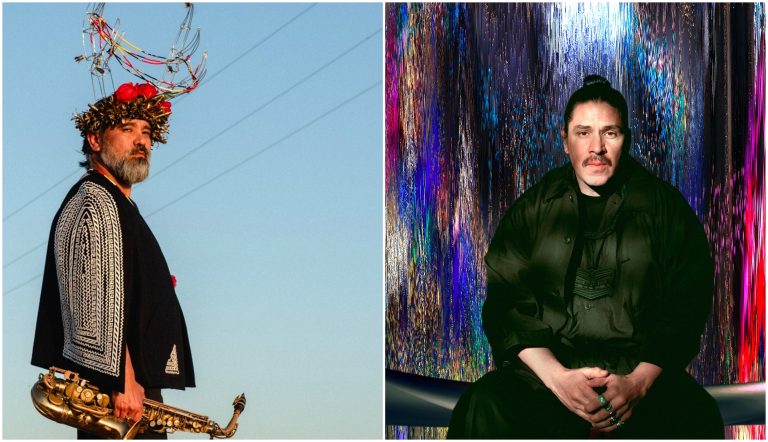

NAC @ Santa Fe Indian Market
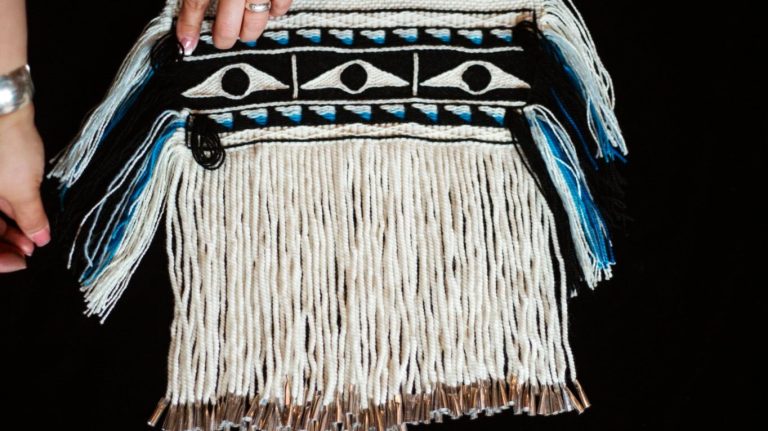
After 103 years, the Santa Fe Indian Market remains the biggest draw for Native artists, potters, and jewelry makers as well as those who appreciate and collect their work. More than 1.000 juried participants come from hundreds of Native communities, offering a hugely diverse range of inspiring work. We’ll take a small sample of that creativity and check in on the outlook for Native arts and arts education.
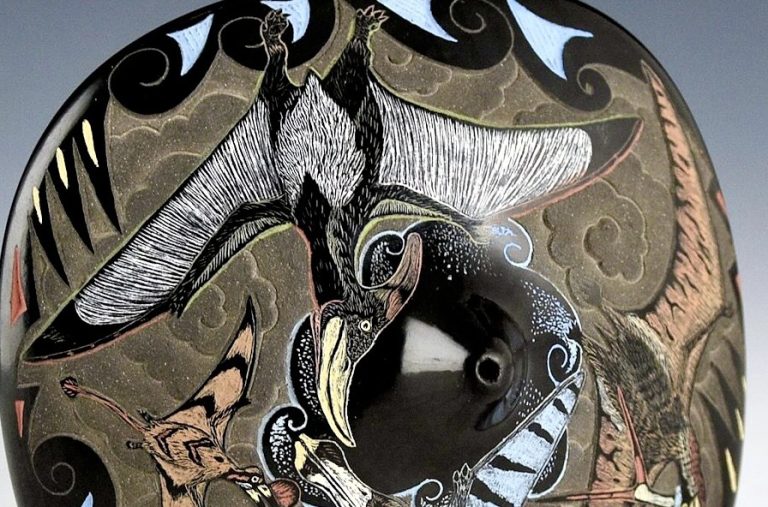
Distinctly Native American artwork, fashion, and films converge again for the annual Santa Fe Indian Market, with at least 1,000 booths and somewhere around 100,000 visitors. Native America Calling is live from Santa Fe, hearing from Southwestern Association for Indian Arts representatives, 2023 Best In Show winner Jennifer Tafoya, curators from the Native Cinema Showcase, and others to get a preview of the largest juried Native art market in the world.
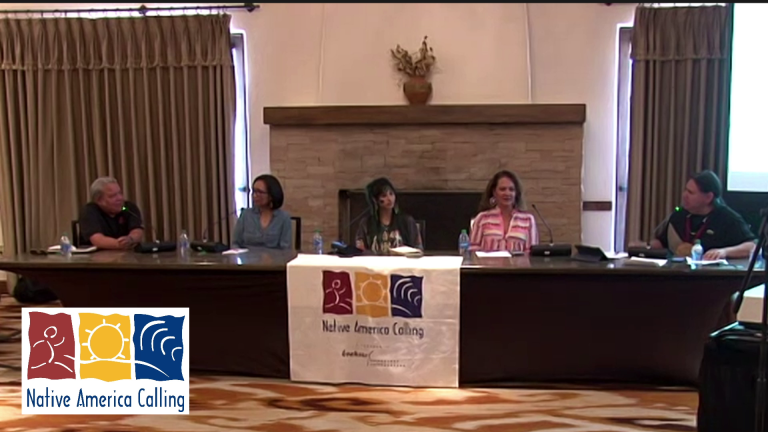
Listen back to Native America Calling’s live broadcast from the Santa Fe Indian Market featuring host Shawn Spruce and guests Dawn Houle (Chippewa Cree from Rocky Boy Montana), Mandolin Rain Song (Taos Pueblo), Jennifer Johns (Diné), and Jason Garcia (Santa Clara Pueblo).
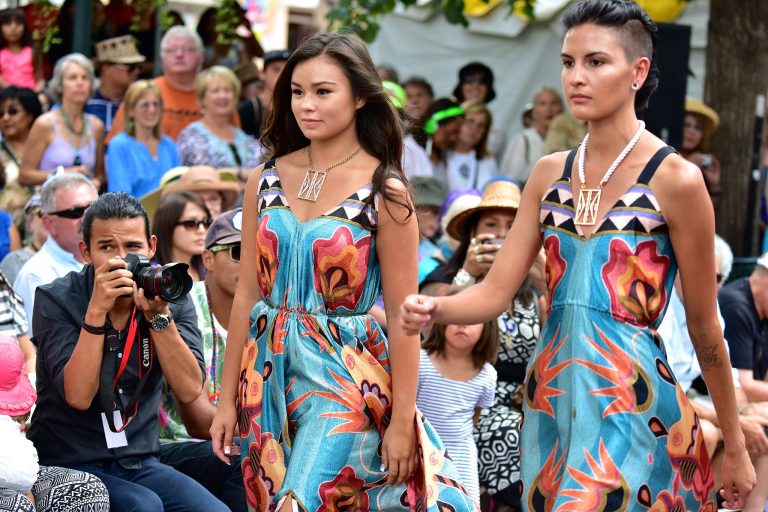
Artists from hundreds of Native nations are tending to their booths in the streets of Santa Fe, selling works they’ve labored for months to prepare. SWAIA’s Santa Fe Indian Market has come a long way in 100 years. Today on Native America Calling, Shawn Spruce is live from Indian Market for a second day with Dr. Suzanne Newman Fricke, director of Gallery Hózhó at Hotel Chaco; Dr. Robert Martin (Cherokee), Institute of American Indian Arts president, to get a feel for what’s in store for the next century; Amber Dawn Bear Robe (Siksika Nation), Indigenous Fashion Show producer for the Southwestern Association for Indian Arts and art history professor at the Institute for American Indian Arts; Dr. Jessica Metcalfe (Turtle Mountain Chippewa), owner of Beyond Buckskin; and Kristin Gentry (Choctaw), artist, photographer, writer, and curator.
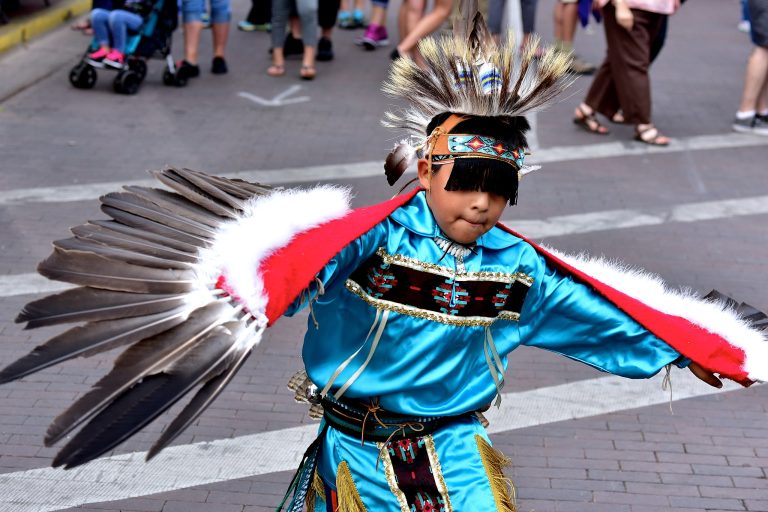
It survived the Termination Era, The Depression, a World War, and, most recently, a pandemic. The Southwestern Association for Indian Arts marks the 100th Santa Fe Indian Market, a place to buy works directly from artists, to experience the creative vision of Native designers, and watch films by Indigenous filmmakers.
Today on Native America Calling, Shawn Spruce is live from the Market to get a rundown of this year’s schedule and reflect on the evolution of this major achievement of Native creativity and commerce with Cindy Benitez, program manager for the Native Cinema Showcase by the National Museum of the American Indian; film director Fritz Bitsoie (Diné);Stephine Poston (Pueblo of Sandia), board chair for the Southwestern Association for Indian Arts; and Leah Salgado (Pascua Yaqui), Chief Impact Officer for Illuminative.
