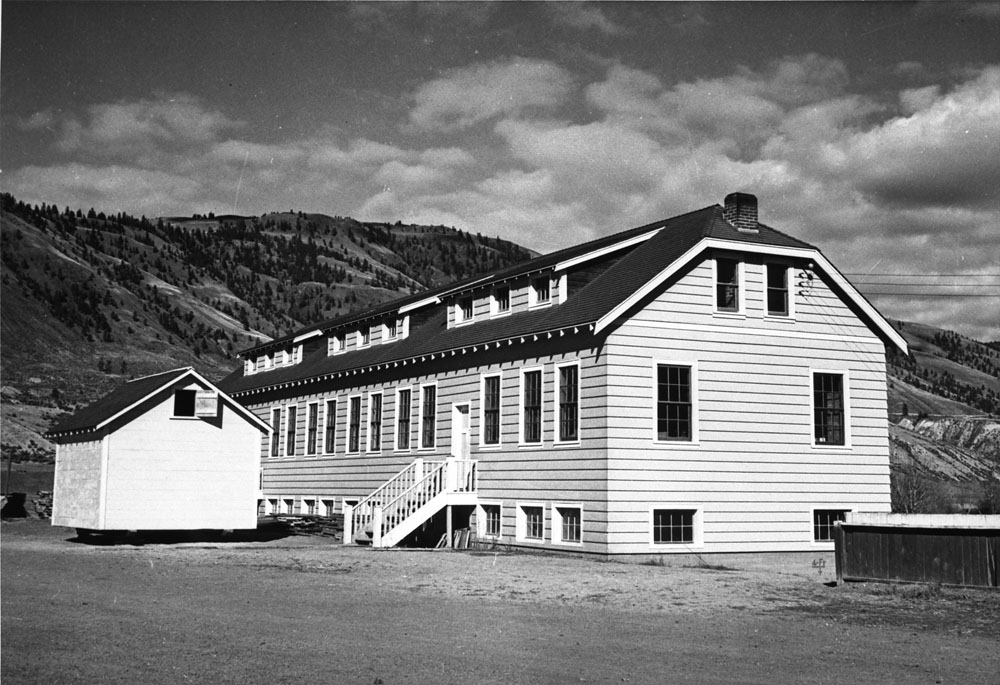
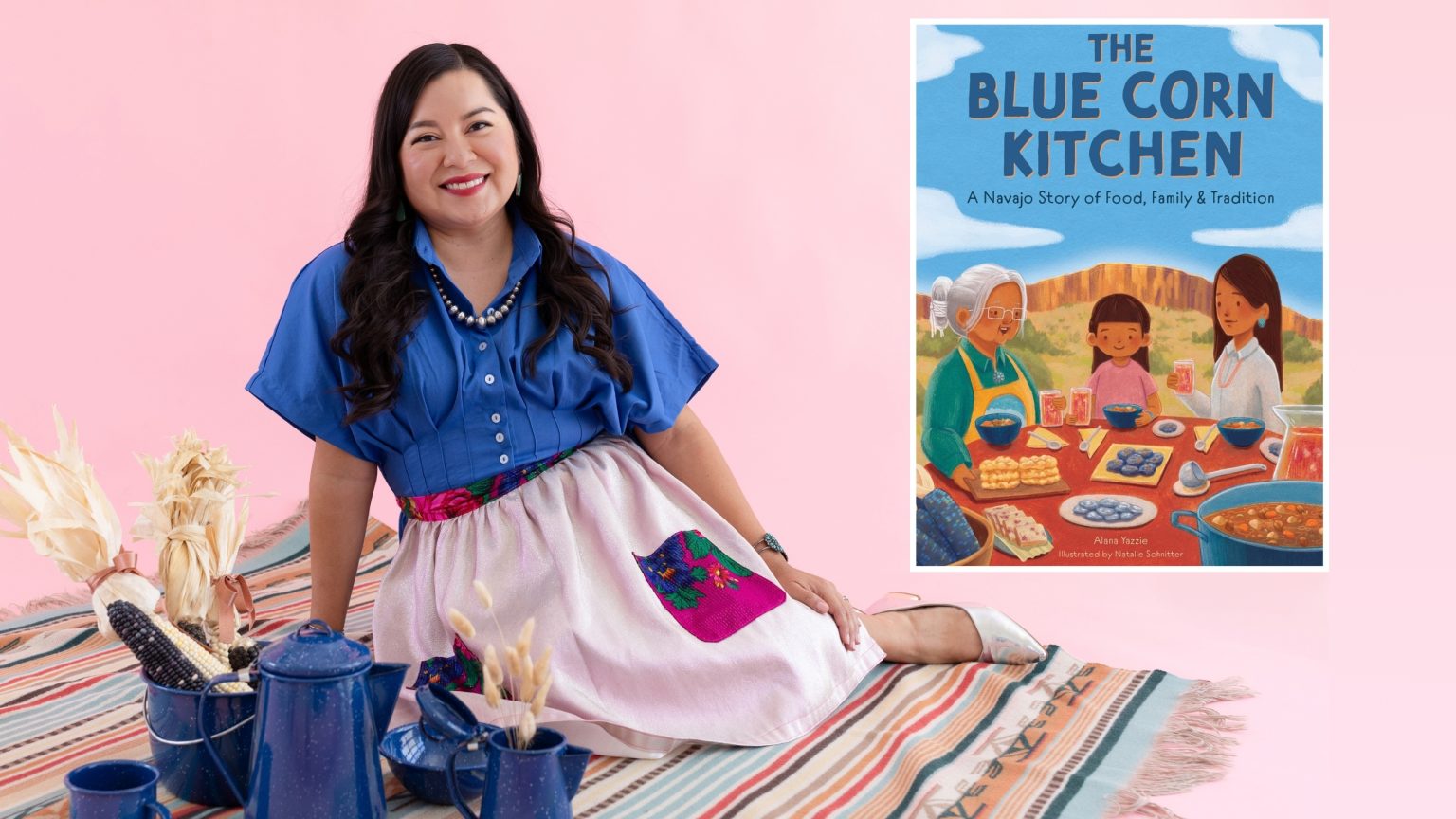

At a time when Canada is reflecting on the painful history of residential schools, Indigenous leaders are having to speak out against organized efforts to minimize the harms inflicted on generations of Indigenous children. Just days before Canada’s National Day for Truth and Reconciliation, white nationalists gathered near the site of the former Kamloops Indian Residential School in British Columbia. The incident drew condemnation from Prime Minister Mark Carney and First Nations leaders. After witnessing what they say is an increase in sophisticated misleading public messages, Canadian elected officials are considering legislation to ban residential school denialism. We’ll explore the trend to minimize and distort an era of forced assimilation of subsequent abuse of children and the challenges for addressing it.
Past Shows
Tuesday, September 29, 2026 — Finding success through the art of contemporary horsemanship
Named a “legendary Lakota horseman” by the Oglala Sioux Tribe, Fred Ecoffey (Oglala Lakota) has enjoyed a celebrated 68-year career as a jockey. After winning his debut race in 1957, Ecoffey went on to compete in more than 17,500 races, earning inductions into both the Nebraska Racing Hall of Fame and the South Dakota Sports Hall of Fame. Ecoffey, 88, has retired from professional racing, though he still helps one of his daughters with her barrel racing from time to time. Today, a new generation of young Native jockeys is taking up the mantle and finding success on the racetrack. Among them is Talliyah Timentwa (Colville Tribes), a two-time national Indian Relay champion who made her debut at Washington state’s Emerald Downs racecourse last year. We’ll speak with Native horse riders about cultivating the art of horsemanship across disciplines, from relay races and jockeying to the sport of dressage.
Monday, September 28, 2026 — PBS documentary ‘Knowledge Keepers’ explores Native scientific innovations
Modern traditional practitioners are the culmination of generations of people who acquired and passed on their skills, knowledge, and technology. That knowledge includes innovative ways to find water in arid places, stay warm in cold climates, navigate surroundings without a compass or a map, and to use the land in a way that doesn’t deplete it. A new documentary on the PBS science series “NOVA” talks to some of the Indigenous people who are the receivers of that knowledge and how they’re instilling it in the next generations. “Knowledge Keepers“, produced by Vision Maker Media, shows the innovations that come with knowledge accumulated over millennia, and how that can guide the future for everyone. We’ll talk with the filmmakers and producers ahead of the episode’s premiere on PBS. This is an encore show so we wont’ be taking live listener calls.
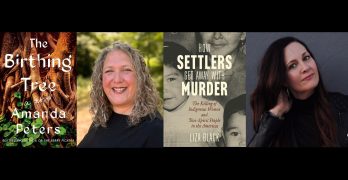
Friday, September 25, 2026 — Native Bookshelf: ‘The Birthing Tree’ by Amanda Peters and ‘How Settlers Get Away with Murder’ by Liza Black
Aliet Paul learns traditional sacred birthing practices of her Mi’kmaq through her grandmother. But the outside world is changing and drives a wedge between her and her community. “The Birthing Tree” is the second novel from Amanda Peters (Mi’kmaq). It is a story of identity, overcoming tragedy, and redemption through one’s connections to family and culture.
“How Settlers Get Away with Murder” by Liza Black (Cherokee) focuses on the real-life death and disappearance of five Indigenous people to exemplify the larger culpability of Western systems in ongoing violence against Indigenous people that fuels today’s MMIP crisis.

Thursday, September 24, 2026 — AI threat goes beyond just misuse of data
Some experts are warning about the risks of artificial intelligence advancing beyond human control in the foreseeable future. The major AI developers themselves are calling on government intervention to slow down the pace of AI progress. In the meantime, tribes are developing policies to head off potential AI misuse of cultural and private data. Much of the tribal policies revolve around intellectual property and privacy. We’ll talk about the actual potential for AI incursions and what can done to head it off.
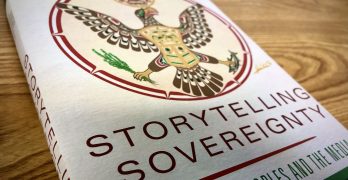
Wednesday, September 23, 2026 — How Indigenous voices adapt to rapidly evolving media
After centuries of having their stories told by outsiders, Indigenous people made considerable progress in having their voices represented in the media in recent decades. The 2012 book, “American Indians and the Mass Media,” co-edited by Meta Carstarphen, documented that growth in authentic Native voices. Now, a new book edited by Carstarphen and Cristina L. Azocar picks up where the original book left off. “Storytelling Sovereignty: Indigenous Peoples and the Media,” combines scholarly research and interviews with notable Native journalists and storytellers. It reviews the history of Native radio, television, news, and the arts and provides a first draft of the dramatic shifts in media just in the past ten years. We’ll hear from some of those featured in the book about how Native perspectives are making a difference.
NAC @ Santa Fe Indian Market
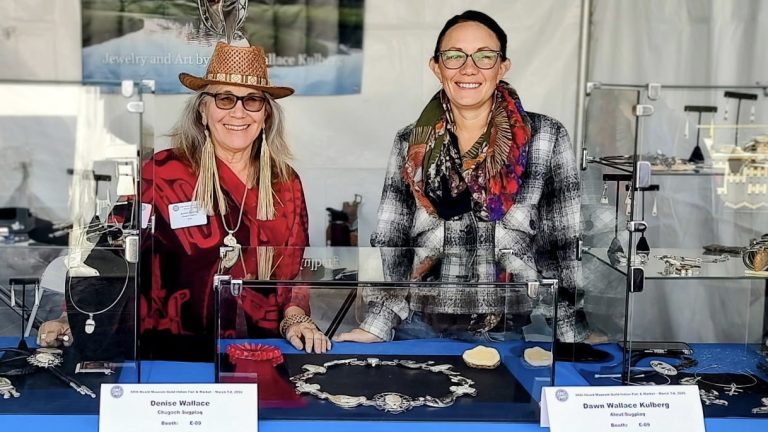
Chugach Sugpiaq jeweler Denise Wallace says she tells stories through her pieces. This year, she’s presenting an elaborate belt she made with her family, featuring ornate, detailed figures, each holding significant meaning, along with intricate designs crafted from ivory, silver, and gold. Wallace has long been a fixture at the Santa Fe Indian Market, now in its 104th year, as nearly a thousand talented Native artists set up to showcase their work. Also among the longtime artists is professional painter Merlin Little Thunder, known for detailed portraits and landscapes that often depict traditional Cheyenne life. For our series of arts interviews, we’ll speak with these artists along with last year’s Best of Show winner Regina Free and event organizers.
We’ll also get an update on the Artist Act that was just signed into federal law. The act prevents states from banning Alaska Native crafts made from materials like walrus ivory and baleen.
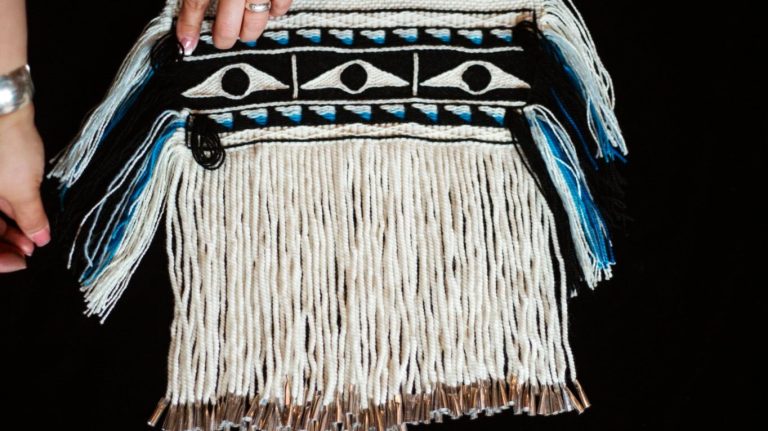
After 103 years, the Santa Fe Indian Market remains the biggest draw for Native artists, potters, and jewelry makers as well as those who appreciate and collect their work. More than 1.000 juried participants come from hundreds of Native communities, offering a hugely diverse range of inspiring work. We’ll take a small sample of that creativity and check in on the outlook for Native arts and arts education.
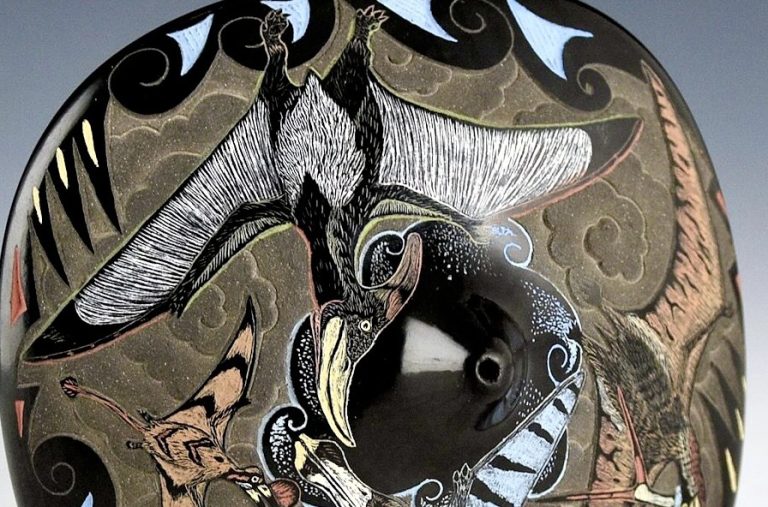
Distinctly Native American artwork, fashion, and films converge again for the annual Santa Fe Indian Market, with at least 1,000 booths and somewhere around 100,000 visitors. Native America Calling is live from Santa Fe, hearing from Southwestern Association for Indian Arts representatives, 2023 Best In Show winner Jennifer Tafoya, curators from the Native Cinema Showcase, and others to get a preview of the largest juried Native art market in the world.
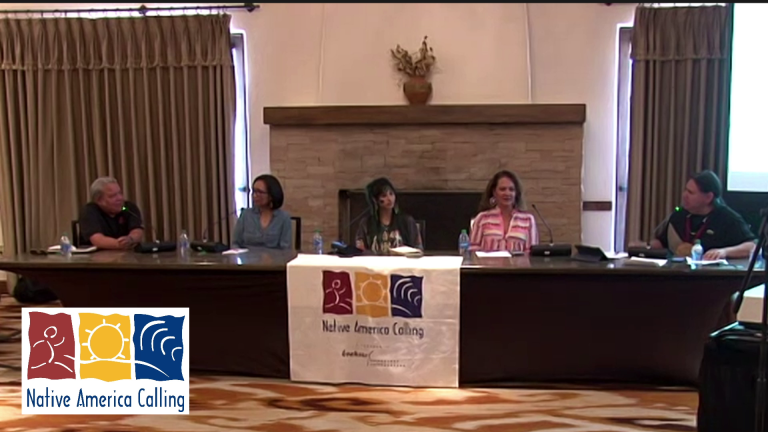
Listen back to Native America Calling’s live broadcast from the Santa Fe Indian Market featuring host Shawn Spruce and guests Dawn Houle (Chippewa Cree from Rocky Boy Montana), Mandolin Rain Song (Taos Pueblo), Jennifer Johns (Diné), and Jason Garcia (Santa Clara Pueblo).
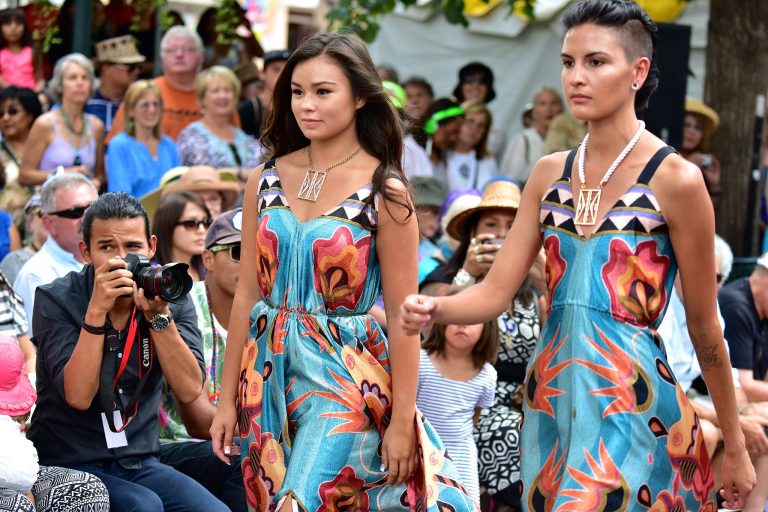
Artists from hundreds of Native nations are tending to their booths in the streets of Santa Fe, selling works they’ve labored for months to prepare. SWAIA’s Santa Fe Indian Market has come a long way in 100 years. Today on Native America Calling, Shawn Spruce is live from Indian Market for a second day with Dr. Suzanne Newman Fricke, director of Gallery Hózhó at Hotel Chaco; Dr. Robert Martin (Cherokee), Institute of American Indian Arts president, to get a feel for what’s in store for the next century; Amber Dawn Bear Robe (Siksika Nation), Indigenous Fashion Show producer for the Southwestern Association for Indian Arts and art history professor at the Institute for American Indian Arts; Dr. Jessica Metcalfe (Turtle Mountain Chippewa), owner of Beyond Buckskin; and Kristin Gentry (Choctaw), artist, photographer, writer, and curator.
