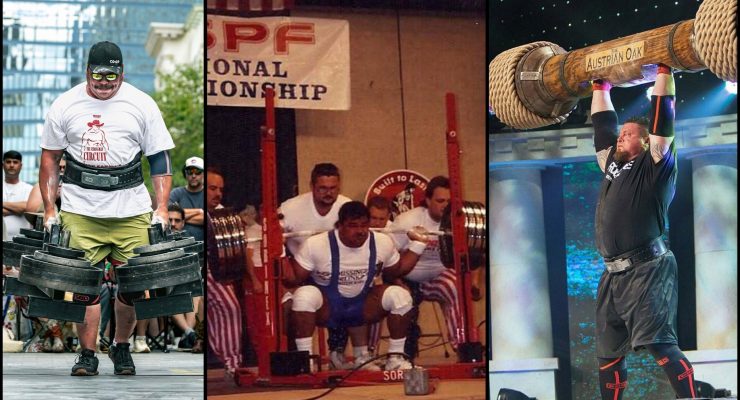
Longtime Phoenix-based professional strongman Jerry Pritchett (Chickasaw) isn’t ready to retire just yet. For now, his focus is on his son, Bubba, who at 15 years old, recently locked out a 615-pound deadlift at a competition. Pritchett is a veteran strongman and powerlifter who was named America’s Strongest Man in 2017 and was later named a World’s Strongest Man finalist. Other Native strongmen who have earned professional titles like Pritchett is Harold “Iron Bear” Collins (Lumbee). Collins was a popular competitor in the 1990s who broke six Guinness World Records, one for pulling a 50,433-pound semitruck and flatbed trailer 160 feet in 44 seconds. In Canada, Colten Sloan (Whitefish Lake First Nation) is working hard to join the ranks of these strongmen. In 2021, he became the first Indigenous man in Canada to earn a pro card in the sport and has since competed around the world.
Past Shows
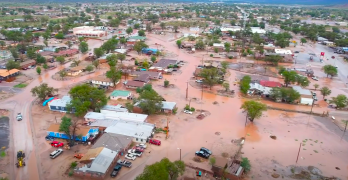
Friday, July 24, 2026 — Zuni Pueblo responds to monsoon flooding
Some residents of Zuni Pueblo in northwestern New Mexico were forced to evacuate their homes due to severe flash flooding earlier this week. The community is bracing for more storms and flooding as the monsoon season continues. Tribal leadership is working to protect tribal members and historical structures. We’ll get an update from community members, and the Pueblo’s governor, on recovery efforts and the damage caused.
We’ll also hear from an Indigenous journalist covering the worsening wildfires in Ontario, Canada. More than 13 First Nations communities were displaced.
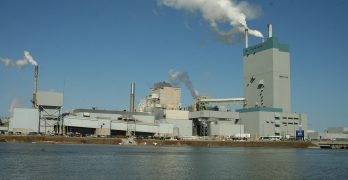
Thursday, July 23, 2026 – First Nations in Canada wary of new bill addressing longstanding water issues
More than 35 First Nations in Canada have active drinking water advisories, but a new federal bill aims to address the issue. Indigenous leaders are critical of the bill and argue that it limits federal liability and fails to protect clean water as a basic human right. Some Indigenous communities have been without clean water since the 1960s, leading First Nations leaders to demand legislative fixes to industrial pollution and longstanding neglect by the federal government. We’ll hear from leaders and experts about what’s in the new water bill and the ongoing water crisis in parts of the country.
We’ll also hear about a new scientific study by Conservation International that examines how Indigenous stewardship and cultural practices improve the ecological health of lands. Researchers looked at the unique practices of more than 40 Indigenous communities around the world and how they’re adapting to a changing climate.
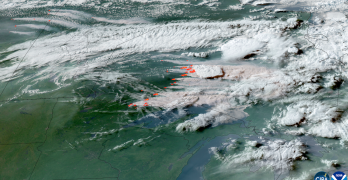
Wednesday, July 22, 2026 — Accessing the vulnerability of Indigenous communities during 2026 wildfire season
Around 200 wildfires are currently burning across the country and nearly 900 are burning in Canada. Large swaths of the northeastern U.S. are blanketed in heavy, hazardous smoke coming from widespread wildfires burning in northern Minnesota and Ontario. In the neighboring Canadian province, three First Nations communities were forced to evacuate after fires ripped through their remote reserves. Significant drought and decades of hands-off wild land management factor into increasingly severe wildfire seasons that impact Indigenous people the most. We’ll get updates from Indigenous fire experts about current wildfire events, smoke impacts, and the vulnerability of Indigenous communities.
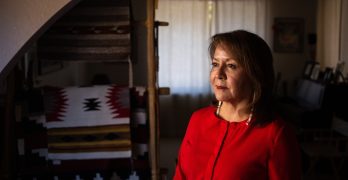
Tuesday, July 21, 2026 – Native in the Spotlight: Laura Tohe
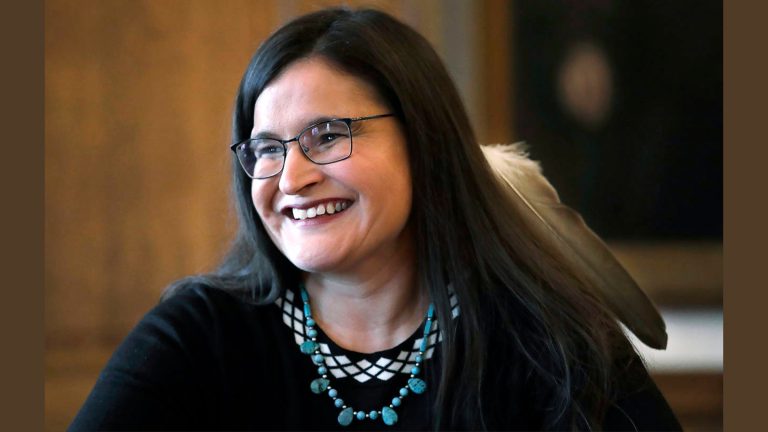
Acclaimed Diné writer and Arizona’s current poet laureate, Dr. Laura Tohe, is working to share her poetry across the state’s rural communities. That includes public readings and uplifting young, emerging poets in the state. Growing up in a remote community on the Navajo Nation, Tohe demonstrated a firm grasp of both Diné bizaad and English at an early age. She attributes that to growing up in a family of storytellers, including her father who was a Navajo Code Talker in World War II. She’s been recognized by some of the top literary organizations and her writing has been translated to multiple languages for an international audience. Tohe joins us for our special feature, Native in the Spotlight, to discuss her career and her work to make poetry more accessible for everyone.
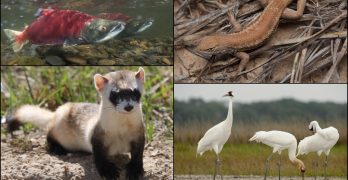
Monday, July 20, 2026 — Tribes sue after feds redefine ‘harm’ in Endangered Species Act, upend decades of land conservation
Conservation groups and at least two Pacific Northwest tribes filed lawsuits against the federal government after it redefined “harm” in the Endangered Species Act earlier this month. Now, destruction of habitat is no longer considered “harm” to endangered wildlife. Supporters of the move say it lifts burdensome restrictions to land management and development. Environmental groups and tribes like the Swinomish Indian Tribal Community and Squaxin Island Tribe say it puts endangered species, like Chinook salmon, and the environment they depend on in even greater danger.
NAC @ Santa Fe Indian Market
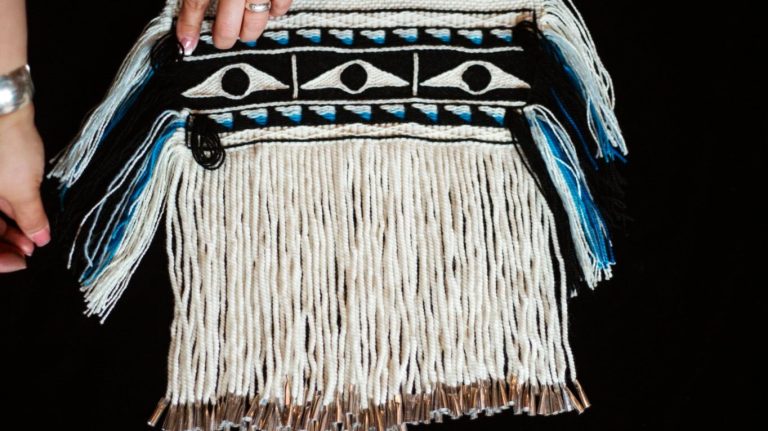
After 103 years, the Santa Fe Indian Market remains the biggest draw for Native artists, potters, and jewelry makers as well as those who appreciate and collect their work. More than 1.000 juried participants come from hundreds of Native communities, offering a hugely diverse range of inspiring work. We’ll take a small sample of that creativity and check in on the outlook for Native arts and arts education.
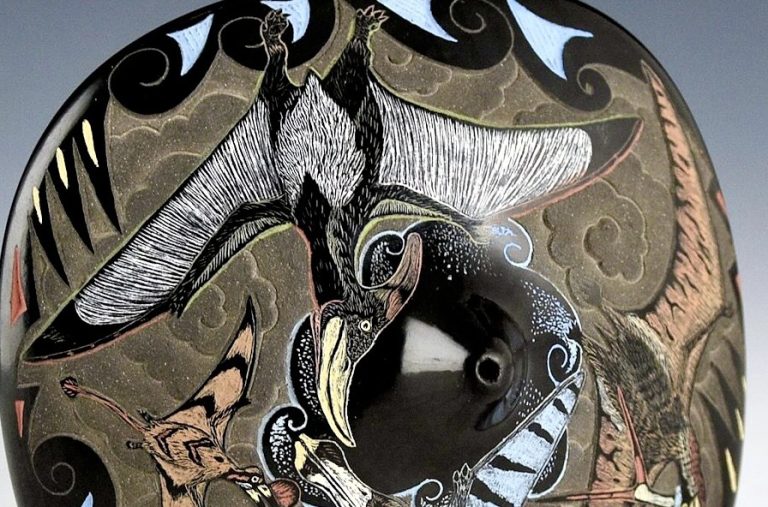
Distinctly Native American artwork, fashion, and films converge again for the annual Santa Fe Indian Market, with at least 1,000 booths and somewhere around 100,000 visitors. Native America Calling is live from Santa Fe, hearing from Southwestern Association for Indian Arts representatives, 2023 Best In Show winner Jennifer Tafoya, curators from the Native Cinema Showcase, and others to get a preview of the largest juried Native art market in the world.
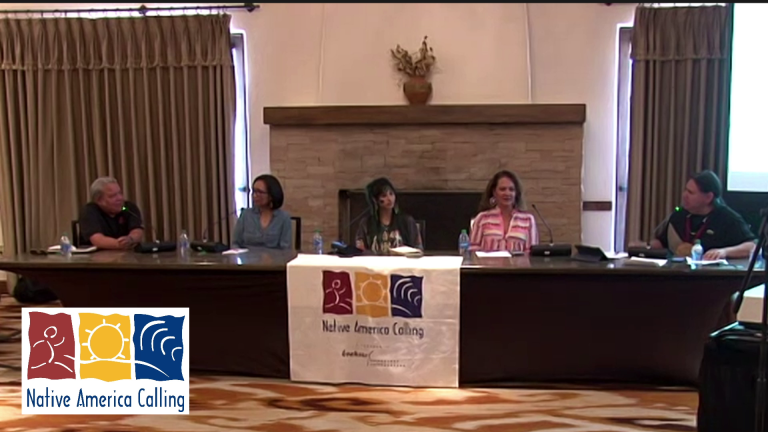
Listen back to Native America Calling’s live broadcast from the Santa Fe Indian Market featuring host Shawn Spruce and guests Dawn Houle (Chippewa Cree from Rocky Boy Montana), Mandolin Rain Song (Taos Pueblo), Jennifer Johns (Diné), and Jason Garcia (Santa Clara Pueblo).
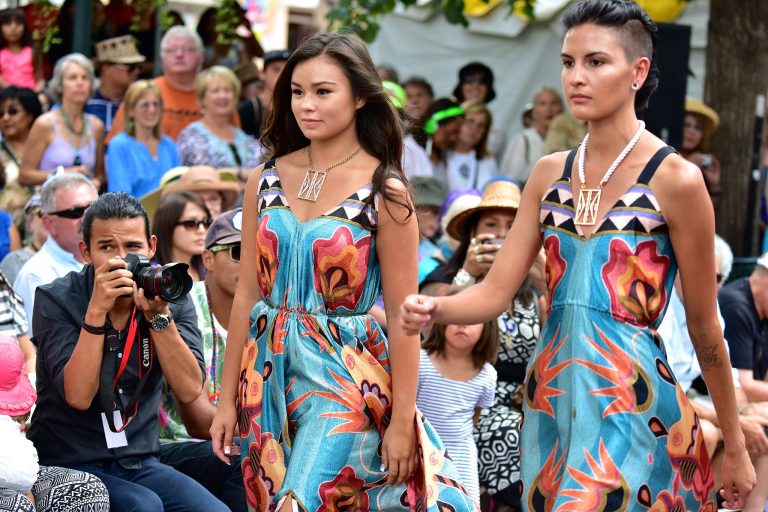
Artists from hundreds of Native nations are tending to their booths in the streets of Santa Fe, selling works they’ve labored for months to prepare. SWAIA’s Santa Fe Indian Market has come a long way in 100 years. Today on Native America Calling, Shawn Spruce is live from Indian Market for a second day with Dr. Suzanne Newman Fricke, director of Gallery Hózhó at Hotel Chaco; Dr. Robert Martin (Cherokee), Institute of American Indian Arts president, to get a feel for what’s in store for the next century; Amber Dawn Bear Robe (Siksika Nation), Indigenous Fashion Show producer for the Southwestern Association for Indian Arts and art history professor at the Institute for American Indian Arts; Dr. Jessica Metcalfe (Turtle Mountain Chippewa), owner of Beyond Buckskin; and Kristin Gentry (Choctaw), artist, photographer, writer, and curator.
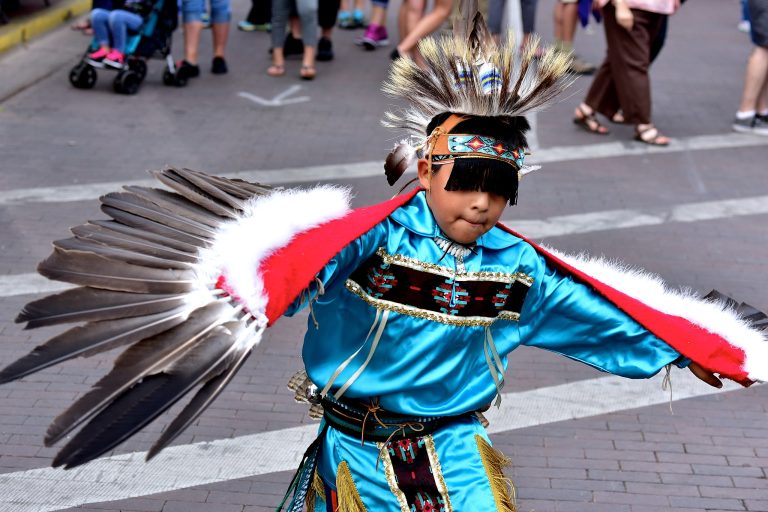
It survived the Termination Era, The Depression, a World War, and, most recently, a pandemic. The Southwestern Association for Indian Arts marks the 100th Santa Fe Indian Market, a place to buy works directly from artists, to experience the creative vision of Native designers, and watch films by Indigenous filmmakers.
Today on Native America Calling, Shawn Spruce is live from the Market to get a rundown of this year’s schedule and reflect on the evolution of this major achievement of Native creativity and commerce with Cindy Benitez, program manager for the Native Cinema Showcase by the National Museum of the American Indian; film director Fritz Bitsoie (Diné);Stephine Poston (Pueblo of Sandia), board chair for the Southwestern Association for Indian Arts; and Leah Salgado (Pascua Yaqui), Chief Impact Officer for Illuminative.
