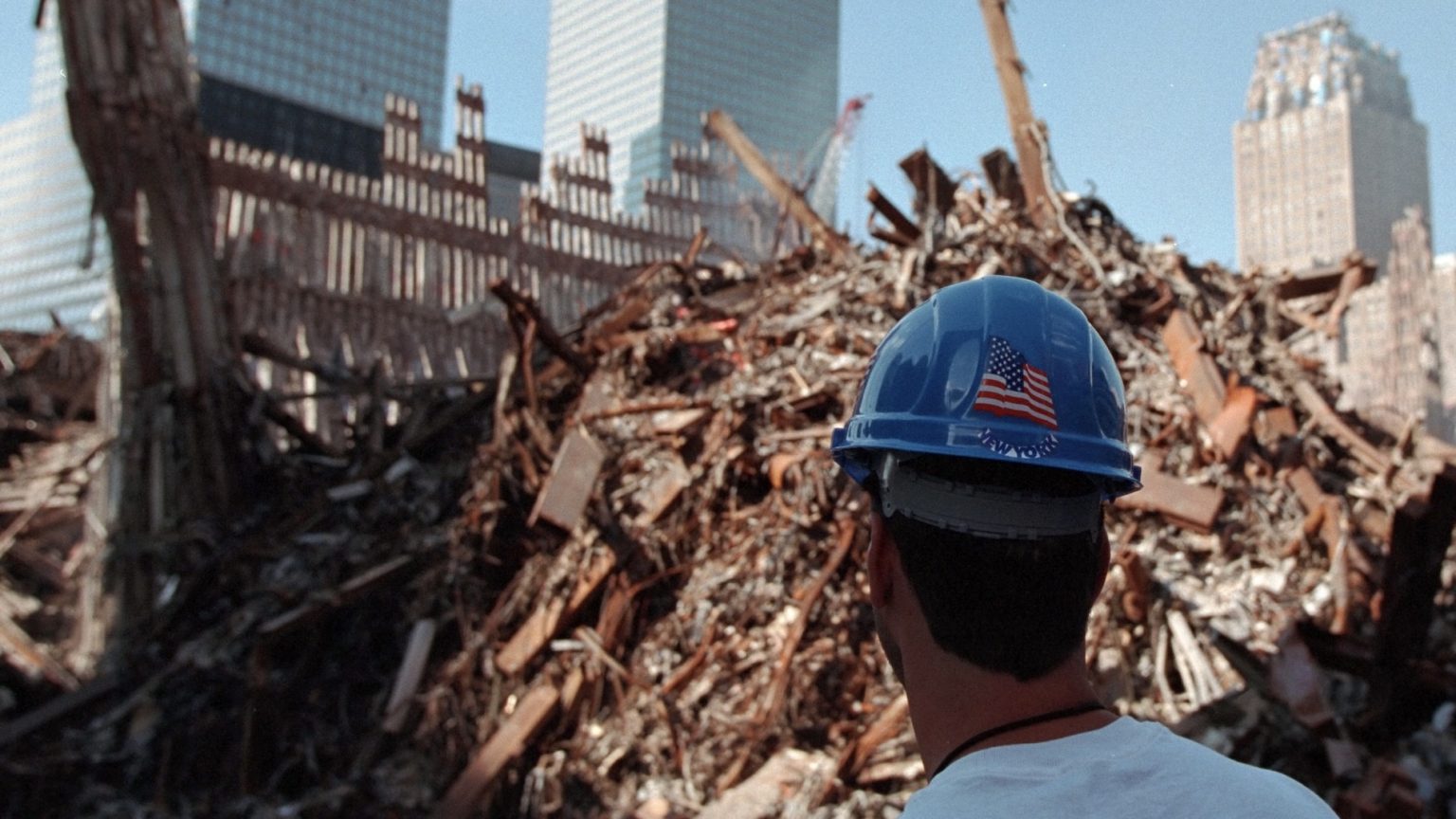
For those who witnessed the attacks in New York and Washington, D.C. the terrorist attacks remain a vivid memory 25 years later. It’s even burned into the minds of those who watched the tragedy unfold on television. At the same time, up to 30 percent of Americans were born after the historic event and have no first-hand knowledge. We’ll remember 9/11 though the eyes of those who were close enough to see it, or were among those who put their lives on the line to help clean up the damage to help the nation heal.
Past Shows
Thursday, September 10, 2026 — Shortage of wildland firefighters strains preparedness and safety
The risks of fighting wildfires hit home this summer as 13 firefighters, including two Native Americans, died on the job. The profession is facing burnout, overwork, and higher risk as the number of wildfires steadily increases and the number of federal firefighters drops following budget cuts by the Trump administration. We’ll hear about what wildland firefighters are currently up against and what the hopes are for more staff and training as the threat of wildfires across the country shows no signs to slowing down. We’ll also hear from friends and family members of fallen firefighters, including those from a historically tragic fire 40 years ago.
GUESTS
Bodie Shaw (Confederated Tribes of Warm Springs), Northwest Incident Management Team 7 liaison officer, former deputy regional director for the Northwest Region of the Bureau of Indian Affairs, and former national wildland fire director for BIA
Al Waquie (Jemez Pueblo), former wildland firefighter
Elsa Coffin (Iñupiaq), parent of Leslie R. Washington
Franklin Coffin (Iñupiaq), parent of Leslie R. Washington
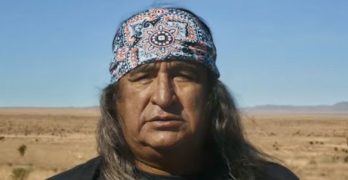
Wednesday, September 9, 2026 — Texas ‘ghost tribe’ rakes in millions of dollars with little to no official tribal documentation
The Carrizo/Comecrudo Tribe of Texas and its leader Juan Mancias have established themselves as leaders in environmental causes including the DAPL pipeline protests and another oil and gas pipeline in Texas. Mancias is recognized by the U.N. and has worked hand-in-hand with several established environmental organizations. Along the way, the tribe has brought in more than $5 million in philanthropic and other funds. But an investigation by the online outlet Grist finds the tribe’s status, including what its leaders point to as founding documents are suspect. Publicly available geneological documents contradict Mancias’ own tribal lineage claims. Along the way, Grist exposes a flawed system in which funders and government entities eager to support Indigenous organizers have no way to adequately discern between legitimate tribes and those with questionable origins. We’ll find out about the growth of the Carrizo/Comecrudo Tribe and some of the concerns that have surfaced.
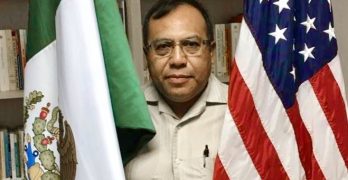
Tuesday, September 8, 2026 — Life after a wrongful murder conviction for Santiago Ventura Morales
Thirty-five years after he walked free from prison when his murder conviction was overturned, Santiago Ventura Morales (Mixtec) is receiving monetary compensation from the state and an official document declaring his innocence. Morales spent five years behind bars before witnesses in the case admitted to submitting false testimony and other forensic evidence proved faulty. During his initial trial, Morales was afforded only a Spanish translator even though he mainly spoke Indigenous Mixtec and only limited Spanish. We’ll talk with Morales about his life since his conviction. We’ll also hear from Luis Marcos (Mayan) whose organization works to support Mayan immigrants in the United States.

Monday, September 7, 2026 — A conversation about law, advocacy, and redemption with attorney Courtney Jordan
Courtney Jordan (Cherokee) is an attorney who built her expertise of federal Indian Law and tribal law serving in some of the highest levels of her profession. She is a former Assistant United States Attorney. She was also an Assistant Attorney General for the Cherokee Nation, and a Tribal Liaison for the State of Oklahoma. Her career was turned upside down after she was convicted of criminal charges and had her law license suspended following a hit-and-run and police chase in 2022. Her dogged advocacy for her own case exposed an undiagnosed medical condition even she was not aware of. After pleading guilty and serving her sentence, she was successful in having her license to practice reinstated. She founded her own law firm and has built a significant social media community breaking down complex legal cases into common-sense concepts. In this encore show, Jordan joins us for a conversation about her rise and fall and rise again in a demanding profession.
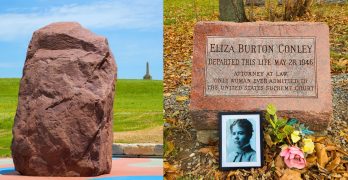
Friday, September 4, 2026 — Two historic preservation fights in Kansas exemplify the power of persistence
Eliza “Lyda” Conley was a strong, independent Wyandot woman who is credited with preserving the cemetery where her family and other tribal members were buried in the face of mounting commercial development pressure. Conley defended the Huron Indian Cemetery in Kansas City, Kansas in the courts as well as from a makeshift shack where she and her sister took up residence with their father’s Civil War shotgun around the turn of the last century. In the process, she became the first Native woman to argue a case before the U.S. Supreme Court. Her story, and that of Wyandot removal, is told in the book, “Lyda Conley and the Fight to Preserve Huron Indian Cemetery”, and in a new art installation at the Wyandotte County Historical Museum.
Also in Kansas, a 10-foot tall, 28-ton sacred boulder is now on Kaw Nation land after a multi-year struggle. Kaw citizens revered the rock for centuries. Then Lawrence officials commandeered it 1929 for a monument to the non-Native city founders. That started the fight by the Kaw Nation — the state’s namesake tribe — to repatriate it to tribal control. The history of Iⁿ’zhúje’waxóbe is documented in a book, “Shokhí: A Kanza Relative, a Monument, and Rematriation”, and gives readers a glimpse into the politics and human influences along the way.
NAC @ Santa Fe Indian Market
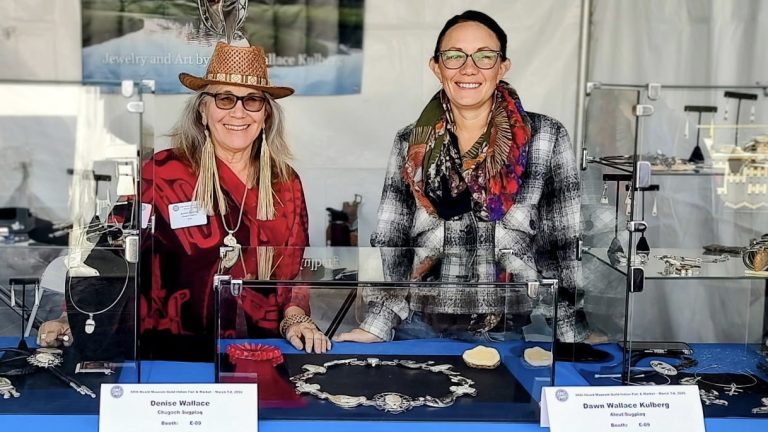
Chugach Sugpiaq jeweler Denise Wallace says she tells stories through her pieces. This year, she’s presenting an elaborate belt she made with her family, featuring ornate, detailed figures, each holding significant meaning, along with intricate designs crafted from ivory, silver, and gold. Wallace has long been a fixture at the Santa Fe Indian Market, now in its 104th year, as nearly a thousand talented Native artists set up to showcase their work. Also among the longtime artists is professional painter Merlin Little Thunder, known for detailed portraits and landscapes that often depict traditional Cheyenne life. For our series of arts interviews, we’ll speak with these artists along with last year’s Best of Show winner Regina Free and event organizers.
We’ll also get an update on the Artist Act that was just signed into federal law. The act prevents states from banning Alaska Native crafts made from materials like walrus ivory and baleen.
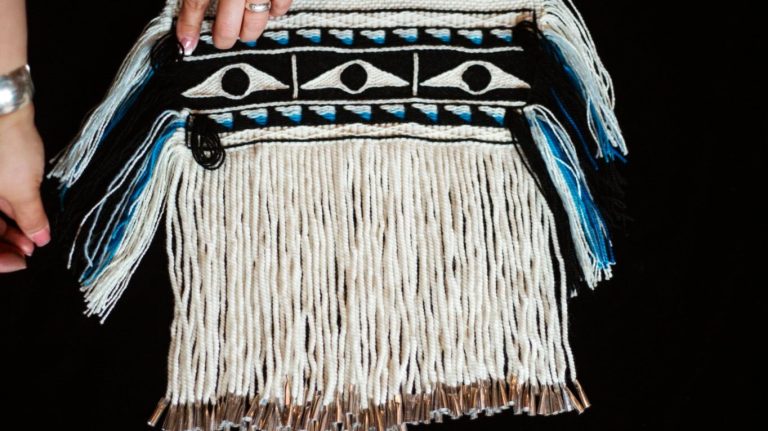
After 103 years, the Santa Fe Indian Market remains the biggest draw for Native artists, potters, and jewelry makers as well as those who appreciate and collect their work. More than 1.000 juried participants come from hundreds of Native communities, offering a hugely diverse range of inspiring work. We’ll take a small sample of that creativity and check in on the outlook for Native arts and arts education.
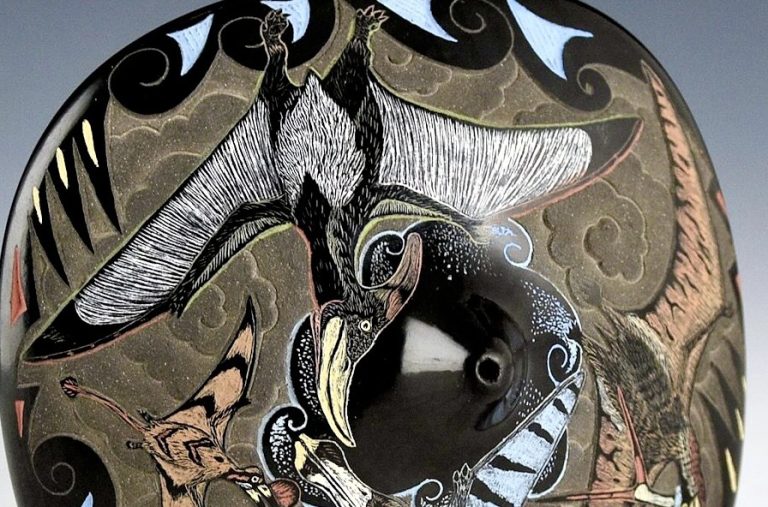
Distinctly Native American artwork, fashion, and films converge again for the annual Santa Fe Indian Market, with at least 1,000 booths and somewhere around 100,000 visitors. Native America Calling is live from Santa Fe, hearing from Southwestern Association for Indian Arts representatives, 2023 Best In Show winner Jennifer Tafoya, curators from the Native Cinema Showcase, and others to get a preview of the largest juried Native art market in the world.
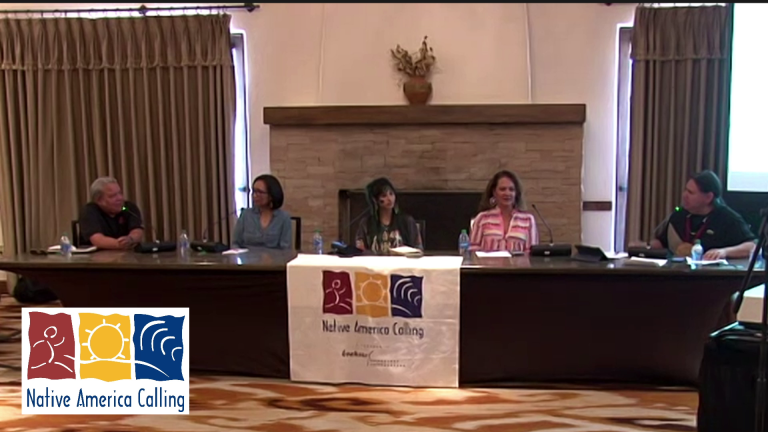
Listen back to Native America Calling’s live broadcast from the Santa Fe Indian Market featuring host Shawn Spruce and guests Dawn Houle (Chippewa Cree from Rocky Boy Montana), Mandolin Rain Song (Taos Pueblo), Jennifer Johns (Diné), and Jason Garcia (Santa Clara Pueblo).
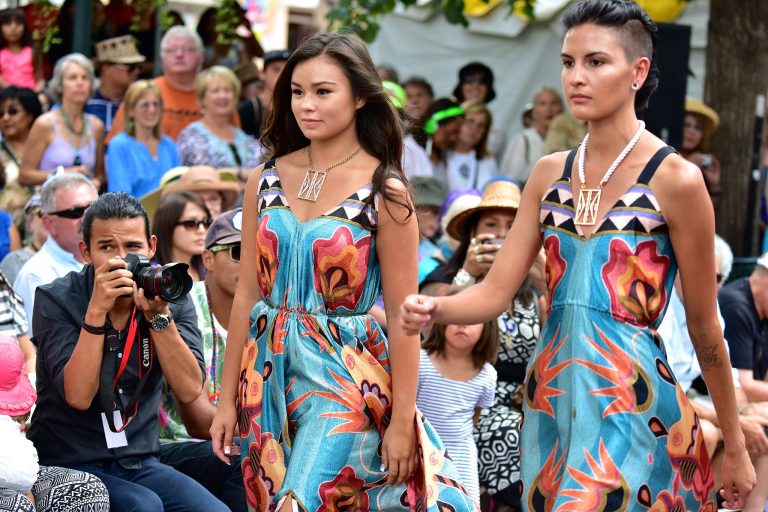
Artists from hundreds of Native nations are tending to their booths in the streets of Santa Fe, selling works they’ve labored for months to prepare. SWAIA’s Santa Fe Indian Market has come a long way in 100 years. Today on Native America Calling, Shawn Spruce is live from Indian Market for a second day with Dr. Suzanne Newman Fricke, director of Gallery Hózhó at Hotel Chaco; Dr. Robert Martin (Cherokee), Institute of American Indian Arts president, to get a feel for what’s in store for the next century; Amber Dawn Bear Robe (Siksika Nation), Indigenous Fashion Show producer for the Southwestern Association for Indian Arts and art history professor at the Institute for American Indian Arts; Dr. Jessica Metcalfe (Turtle Mountain Chippewa), owner of Beyond Buckskin; and Kristin Gentry (Choctaw), artist, photographer, writer, and curator.
