

The Trump Administration’s proposal to remove questions about a person’s race for the U.S. Census is sparking alarm among tribal leaders, voting rights advocates and social service providers. They say it will significantly impede tribes’ political representation at the state and federal levels and reduce access to federal resources, adding up to a serious erosion of tribal sovereignty. Counting the racial make-up of the country has been a function of the constitutionally-mandated decennial census since it started in 1790. The Census Bureau proposes changing it to help improve response rates. We’ll hear what changes are potentially in store from the U.S. Census and what the implications are for Native residents.
Past Shows

Monday, October 5, 2026 — One tribe breaks from the pack on prediction markets
At a time when tribes across the country are working to shut down prediction market companies, the Tunica-Biloxi Tribe of Louisiana is embracing them by launching its own mobile app with the help of industry giant, Kalshi. The Tunica-Biloxi chairman says his tribe is “creating a new source of economic opportunity and doing it on its own terms.” That is decidedly counter to the other tribes that argue the prediction market platforms pose a direct threat, siphoning off gaming revenue, and sidestepping the strictly regulated federal laws governing Indian casinos. We’ll hear about the plans for the new app — and potential hurdles.
We’ll also hear from entrepreneur, writer, and computer programmer Miguel Douglas (Puyallup Tribe of Indians) about his work to improve visibility for Native-owned businesses with his latest app, Nativepreneurs.
GUESTS
Marshall Pierite (Tunica-Biloxi), chairman and CEO of the Tunica-Biloxi Tribe of Louisiana
Chez Oxendine (Lumbee), staff writer for Tribal Business News
Miguel Douglas (Puyallup), developer of the Nativepreneurs app, chief technology officer at Bella & Belle, and editor-in-chief of American Indian Republic
Friday, October 2, 2026 — Indigenous design as visual sovereignty
From the original Cherokee syllabary to banners waved by Native American demonstrators, graphic works by Native people carry a thread through the centuries that operate within their own design framework. A new book and accompanying gallery exhibition, “Designed to be Red”, documents and celebrates that thread of visual works by Native designers that exert agency and authority over their own stories. The project compiles examples of purposeful visual rhetoric by Native Americans meant to teach, persuade, resist, and share within an environment that so often dismisses Native input. We’ll talk with Native designers about the project and the unique role Native designs play.
Thursday, October 1, 2026 — Indigenous leaders take on organized attempts to downplay residential school narrative
At a time when Canada is reflecting on the painful history of residential schools, Indigenous leaders are having to speak out against organized efforts to minimize the harms inflicted on generations of Indigenous children. Just days before Canada’s National Day for Truth and Reconciliation, white nationalists gathered near the site of the former Kamloops Indian Residential School in British Columbia. The incident drew condemnation from Prime Minister Mark Carney and First Nations leaders. After witnessing what they say is an increase in sophisticated misleading public messages, Canadian elected officials are considering legislation to ban residential school denialism. We’ll explore the trend to minimize and distort an era of forced assimilation of subsequent abuse of children and the challenges for addressing it.
Wednesday, September 30, 2026 — The Menu: Blue corn children’s book and a new Native pastry shop
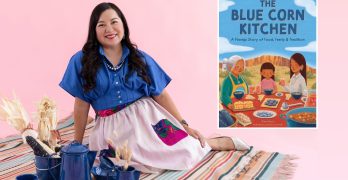
“The Blue Corn Kitchen” by Alana Yazzie (Diné) gives young reader’s a glimpse of the traditional corn-based Navajo foods many Navajo grandmothers have stocked in their kitchens. It’s the latest project from the self-made, Navajo lifestyle and food blogger who also goes by The Fancy Navajo.
Howdy Cakes is a new pastry and cake business by Diné culinarian, Liz McKenzie. It’s in partnership with a start-up mini food hall in Albuquerque.
And, on the National Day of Remembrance for U.S. Indian Boarding Schools, we’ll take a look at the negative effects the institutions had on Native foodways.

Tuesday, September 29, 2026 — Finding success through the art of contemporary horsemanship
Named a “legendary Lakota horseman” by the Oglala Sioux Tribe, Fred Ecoffey (Oglala Lakota) has enjoyed a celebrated 68-year career as a jockey. After winning his debut race in 1957, Ecoffey went on to compete in more than 17,500 races, earning inductions into both the Nebraska Racing Hall of Fame and the South Dakota Sports Hall of Fame. Ecoffey, 88, has retired from professional racing, though he still helps one of his daughters with her barrel racing from time to time. Today, a new generation of young Native jockeys is taking up the mantle and finding success on the racetrack. Among them is Talliyah Timentwa (Colville Tribes), a two-time national Indian Relay champion who made her debut at Washington state’s Emerald Downs racecourse last year. We’ll speak with Native horse riders about cultivating the art of horsemanship across disciplines, from relay races and jockeying to the sport of dressage.


NAC @ Santa Fe Indian Market
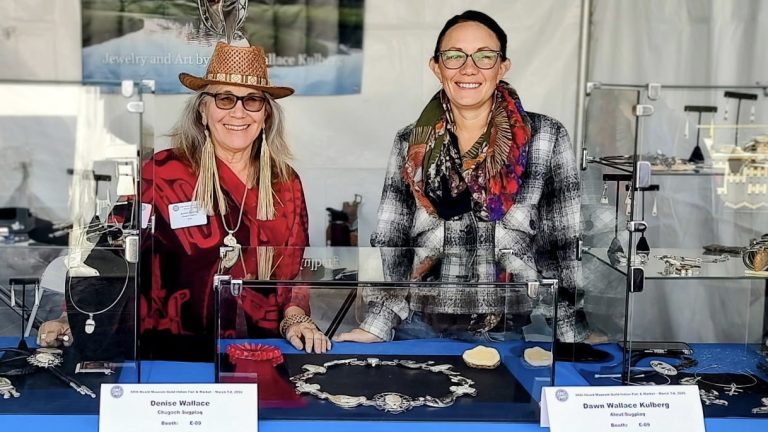
Chugach Sugpiaq jeweler Denise Wallace says she tells stories through her pieces. This year, she’s presenting an elaborate belt she made with her family, featuring ornate, detailed figures, each holding significant meaning, along with intricate designs crafted from ivory, silver, and gold. Wallace has long been a fixture at the Santa Fe Indian Market, now in its 104th year, as nearly a thousand talented Native artists set up to showcase their work. Also among the longtime artists is professional painter Merlin Little Thunder, known for detailed portraits and landscapes that often depict traditional Cheyenne life. For our series of arts interviews, we’ll speak with these artists along with last year’s Best of Show winner Regina Free and event organizers.
We’ll also get an update on the Artist Act that was just signed into federal law. The act prevents states from banning Alaska Native crafts made from materials like walrus ivory and baleen.
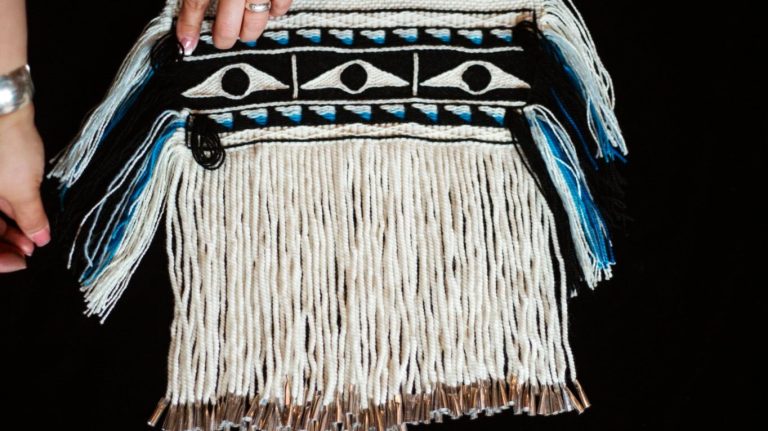
After 103 years, the Santa Fe Indian Market remains the biggest draw for Native artists, potters, and jewelry makers as well as those who appreciate and collect their work. More than 1.000 juried participants come from hundreds of Native communities, offering a hugely diverse range of inspiring work. We’ll take a small sample of that creativity and check in on the outlook for Native arts and arts education.
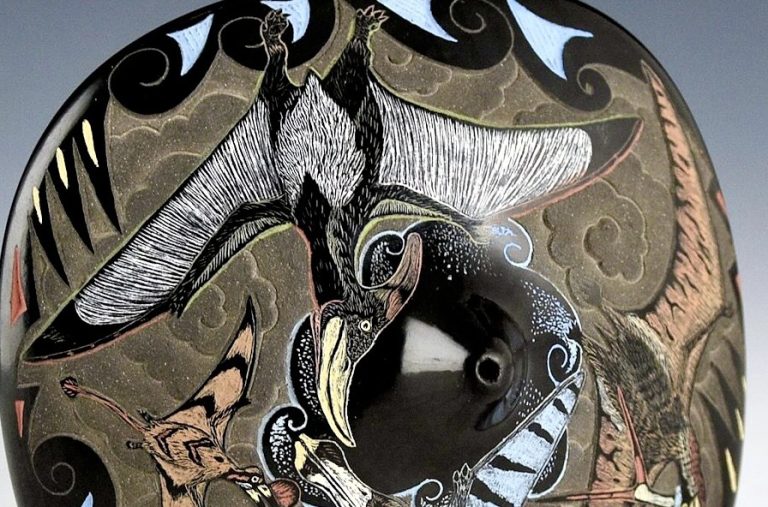
Distinctly Native American artwork, fashion, and films converge again for the annual Santa Fe Indian Market, with at least 1,000 booths and somewhere around 100,000 visitors. Native America Calling is live from Santa Fe, hearing from Southwestern Association for Indian Arts representatives, 2023 Best In Show winner Jennifer Tafoya, curators from the Native Cinema Showcase, and others to get a preview of the largest juried Native art market in the world.
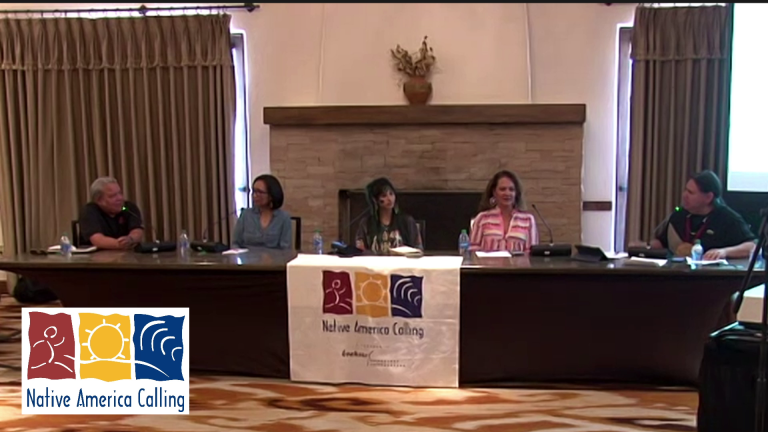
Listen back to Native America Calling’s live broadcast from the Santa Fe Indian Market featuring host Shawn Spruce and guests Dawn Houle (Chippewa Cree from Rocky Boy Montana), Mandolin Rain Song (Taos Pueblo), Jennifer Johns (Diné), and Jason Garcia (Santa Clara Pueblo).
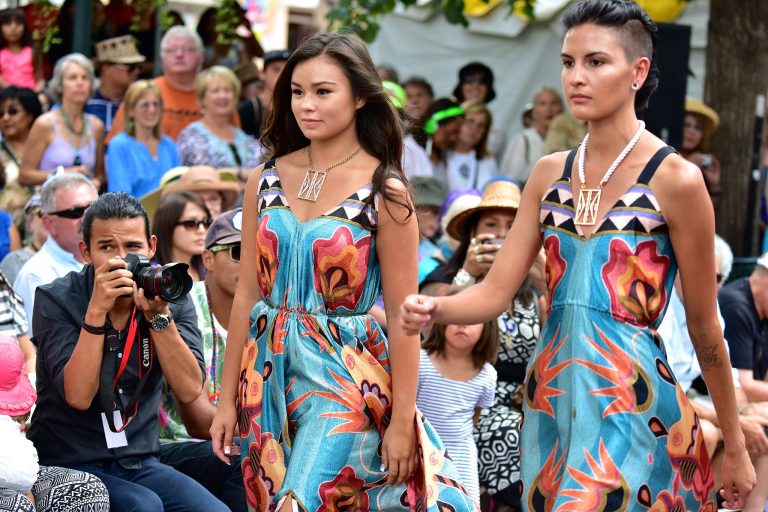
Artists from hundreds of Native nations are tending to their booths in the streets of Santa Fe, selling works they’ve labored for months to prepare. SWAIA’s Santa Fe Indian Market has come a long way in 100 years. Today on Native America Calling, Shawn Spruce is live from Indian Market for a second day with Dr. Suzanne Newman Fricke, director of Gallery Hózhó at Hotel Chaco; Dr. Robert Martin (Cherokee), Institute of American Indian Arts president, to get a feel for what’s in store for the next century; Amber Dawn Bear Robe (Siksika Nation), Indigenous Fashion Show producer for the Southwestern Association for Indian Arts and art history professor at the Institute for American Indian Arts; Dr. Jessica Metcalfe (Turtle Mountain Chippewa), owner of Beyond Buckskin; and Kristin Gentry (Choctaw), artist, photographer, writer, and curator.
