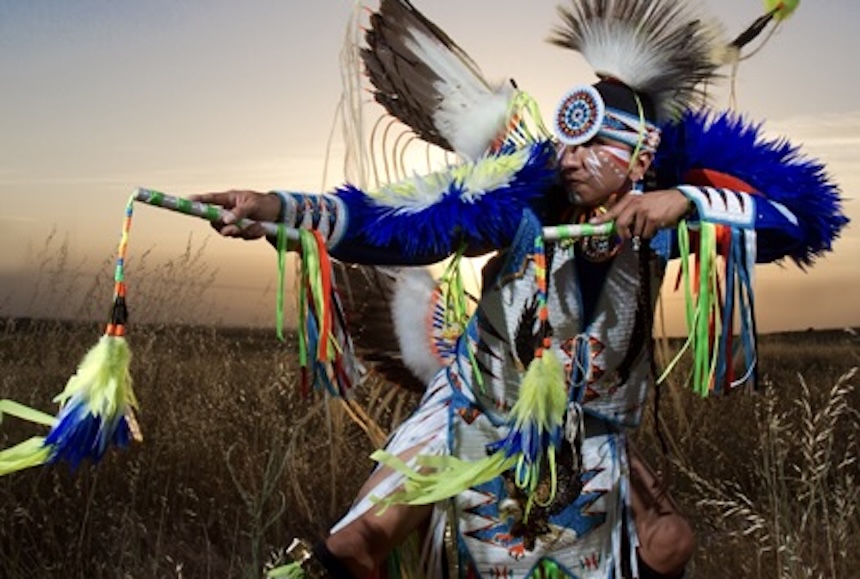
Larry Yazzie is a two-time World Champion Fancy Dancer and an internationally acclaimed ambassador of Indigenous culture from the Meskwaki Nation. He has performed at the Kennedy Center, the Smithsonian Institute, and at dozens of events overseas. He is returning to the Macy’s Thanksgiving Day Parade in New York City for the second year in a row, leading a team of 16 dancers. Yazzie is the founder and artistic director of the Native Pride Dancers, a group of talented individuals specializing in traditional music, dance, and storytelling. Yazzie shares his passion for dance as a form of prayer, healing, and community pride. He is celebrated for his high-energy blend of traditional Northern Plains and Woodlands dance styles. Yazzie joins us our our Native In the Spotlight to talk about his own love of dancing and how it bridges cultures.
Coming Up on NATIVE AMERICA CALLING
Thursday, November 26, 2026 — Shifting preservation policies pose risks to Native history
A proposed overhaul of the federal process that protects cultural heritage sites and resources is fueling considerable pushback from tribes. They are concerned about how recommended changes to the National Historic Preservation Act might diminish tribal input on matters such as development projects in known sensitive areas. Critics say the changes have the potential to permanently destroy any remaining cultural treasures in the path of commercial development. At the same time, historians and others are worried about the pending closure of two federal archive facilities containing documents from the Indian Boarding School Era. Archivists worry there is no clear answer about what happens to these records if the facilities shut down.
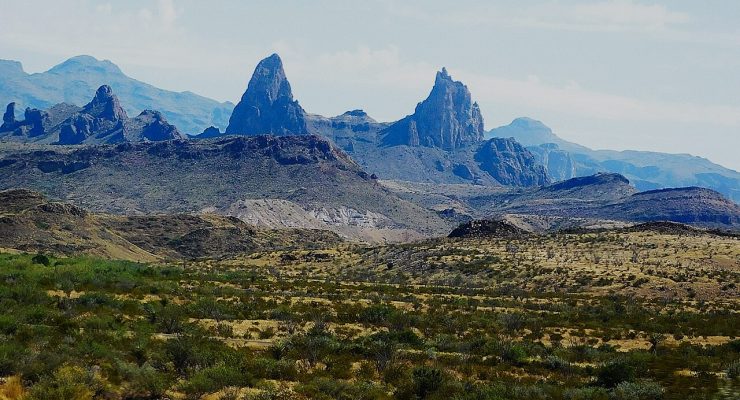
And we’ll discuss the possible damage from border wall construction at Big Bend National Park in Texas. The Mescalero Apache Tribe is among those that spent years developing a framework to avoid irreparable damage to important spiritual and cultural sites. Current construction efforts are not following that framework.
This is an encore show so we wont’ be taking live calls from listeners.
GUESTS
Ira Matt (Confederated Salish and Kootenai Tribes), executive director for the National Association of Tribal Historic Preservation Officers
Heather Hostler (Hupa), executive director at California Indian Legal Services
Fallon Carey (Cherokee), digital archives director at the National Native American Boarding School Healing Coalition
Holly Houghten, tribal historic preservation officer for the Mescalero Apache Tribe
Break 1 Music: Wake Up Song (song) Voices of Salish & Ped d’Oreille Women (artist) Heart of the Bitterroot (album)
Break 2 Music: Everywhere On Earth I Roam (song) Courtney Yellow Fat (artist) The Lost Songs of Sitting Bull (album)
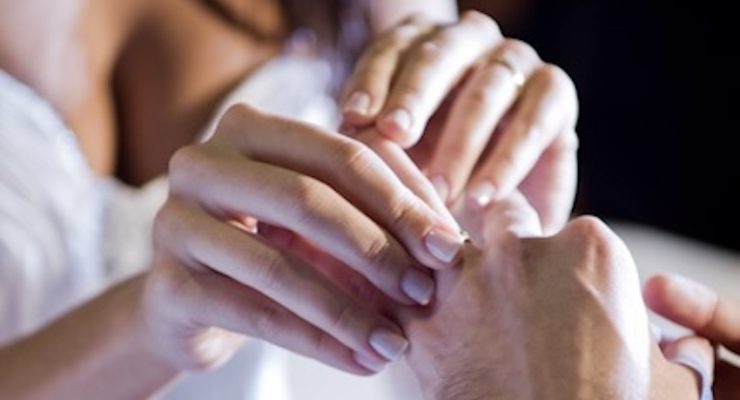
Friday, November 27, 2026 — How to make relationships work
The standard elements of a healthy, long-term relationship are well documented: communication, trust, honesty, mutual respect, and practicing healthy approaches for inevitable disagreements. But if combining those elements were easy, there wouldn’t be a need for relationship counselors. Native relationship specialists also often have to navigate differing cultural practices and concerns about relationships outside of one’s tribe. We’ll talk about the common stressors on long-term relationships as well as the roles of culture and community in maintaining healthy relationships.
This is an encore show so we won’t be taking calls live from listeners.
GUESTS
Roger Kuhn (Poarch Band of Creek Indians), licensed marriage and family therapist and certified sex therapist
Monique Castro (Diné/Xicana), licensed marriage and family therapist and CEO of Indigenous Circle of Wellness
Past Shows
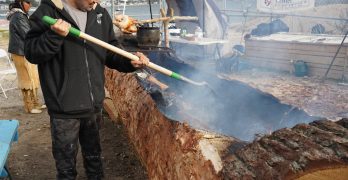
Tuesday, November 24, 2026 – Mashpee Wampanoag artist reflects on traditional arts, restoring rivers and Thanksgiving
Artist Hartman Deetz (Mashpee Wampanoag) recently finished carving a canoe from a 107-year-old pine tree in Massachusetts for his community. The project is part of his broader passion to revitalize traditional Wampanoag arts. His past work includes a wampum belt celebrating the United Nations Declaration on the Rights of Indigenous Peoples made with quahog wampum and deerskin. Deetz also works in Wampanoag language reclamation and watershed restoration projects in Massachusetts. We’ll speak with Deetz about his art, environmental activism, and what Thanksgiving means to him.
We’ll also hear about a Native-led conservation group acquiring land in Cape Cod. The land is the site where Native people first encountered the Pilgrims from the Mayflower.
GUESTS
Hartman Deetz (Mashpee Wampanoag), artist and educator
Paula Peters (Mashpee Wampanoag), communications and programs coordinator for the Native Land Conservancy
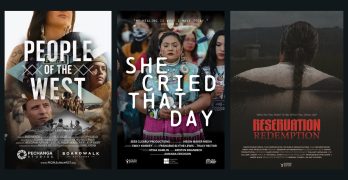
Monday, November 23, 2026 — New documentaries exploring history, justice, and culture through a Native lens
Whether you’re a fan of documentaries or looking to learn more about Native people and culture, Native filmmakers got you covered this month. Vision Maker Media has made available several powerful documentaries this month on PBS. “She Cried That Day” follows a Navajo woman’s search for justice for her sister’s murder and how she became a strong voice in the MMIW movement. In “Reservation Redemption”, convicted murderer-turned mentor and culture keeper, “Chief” Marchand Rice (Colville), learns about his fate when a judge reviews his life sentence. And, FNX stocked “People of the West”, a 10-episode docuseries retelling California Native history. We’ll preview these and other documentaries with Native filmmakers.
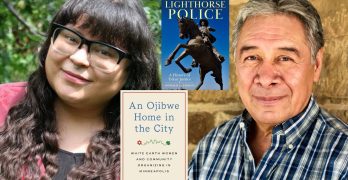
Friday, November 20, 2026 — Native Bookshelf: ‘An Ojibwe Home in the City’ by Sasha Maria Suarez and ‘The Lighthorse Police’ by Donald L. Fixico
Generations of White Earth Ojibwe women laid the foundation of the present-day vibrant, unique urban Native community in Minneapolis, Minnesota. That’s what historian Sasha Maria Suarez (White Earth Ojibwe) chronicles in her new book, “An Ojibwe Home in the City“. Suarez explores the history of the city’s urban sprawl, the Indian Relocation era, and the grassroots efforts to create the Minneapolis American Indian Center. She looks at how these different Ojibwe women organizers ensured that Native people maintained a community within the city and stay connected to their culture.
Beginning before they were forced to relocate to what became Oklahoma, the Cherokee, Choctaw, Chickasaw, Muscogee, and Seminole Nations formed their own police forces, known as the Lighthorse Police, to maintain law and order. Deputies from these tribes served warrants, tracked down outlaws, and faced gunfights across remote territories. In his latest book, “The Lighthorse Police“, Native historian Donald Fixico (Shawnee, Sac and Fox, Muscogee Creek and Seminole) tells the story of these legendary mounted police, whose legacy endures today. He looks beyond the tall tales and romanticized versions of the Wild West to explore how these tribes transitioned from traditional clan-based governance systems to constitutional governments, the influence of figures like the infamous Judge Isaac Parker (aka “the hanging judge”), and how tribal justice was carried out.
Both authors join us for our Native Bookshelf show, our regular monthly feature celebrating Native authors.
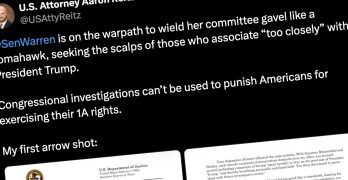
Thursday, November 19, 2026 — Stereotypical ‘rage bait’ surfaces to counter midterm election message from voters
A local Albuquerque, New Mexico newspaper editorial cartoon attempts to offset the international celebration of the first female Native American governor in history with a “low man on the totem pole” reference, a long-outdated idiom about a sacred practice by all along the northwest Pacific coast. The cartoon, created by what the Albuquerque Journal editor describes as a “50-year veteran” of the industry, has drawn condemnation by the Indigenous Journalists Association among others. In addition, Texas federal prosecutor Aaron Reitz is also drawing criticism for a controversial letter he wrote threatening a criminal investigation against U.S. Sen. Elizabeth Warren, D-Massachusetts. The letter invoked several problematic Native stereotypes, including a reference to Warren wielding a tomahawk and seeking to collect “scalps” of President Donald Trump supporters. We’ll discuss the prevalence among some sectors to try and perpetuate language Native Americans and Alaska Natives consider offensive.
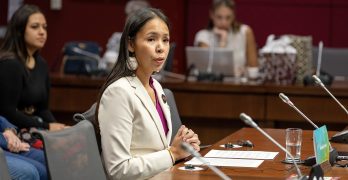
Wednesday, November 18, 2026 — Young Indigenous advocates call attention to concerns and dreams for Canada
From racism in the public healthcare system to educational barriers, a group of young Indigenous advocates are expressing their concerns — and their aspirations — to national Canadian elected leaders. It’s part of an initiative by the Canadian Senate Committee on Indigenous Peoples to give voice to selected First Nations, Métis, and Inuit young people into the official halls of the government. Their concerns included the lack of housing in northern Quebec’s Inuit communities, child welfare hurdles, and addressing intergenerational trauma. We’ll speak with some of those young advocates about what they see as the longstanding issues for them in Canada and what change they hope to see in the future.
NAC @ Santa Fe Indian Market
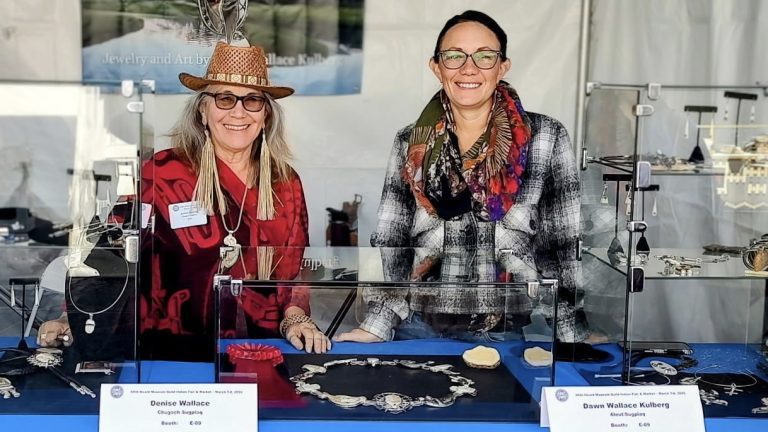
Chugach Sugpiaq jeweler Denise Wallace says she tells stories through her pieces. This year, she’s presenting an elaborate belt she made with her family, featuring ornate, detailed figures, each holding significant meaning, along with intricate designs crafted from ivory, silver, and gold. Wallace has long been a fixture at the Santa Fe Indian Market, now in its 104th year, as nearly a thousand talented Native artists set up to showcase their work. Also among the longtime artists is professional painter Merlin Little Thunder, known for detailed portraits and landscapes that often depict traditional Cheyenne life. For our series of arts interviews, we’ll speak with these artists along with last year’s Best of Show winner Regina Free and event organizers.
We’ll also get an update on the Artist Act that was just signed into federal law. The act prevents states from banning Alaska Native crafts made from materials like walrus ivory and baleen.
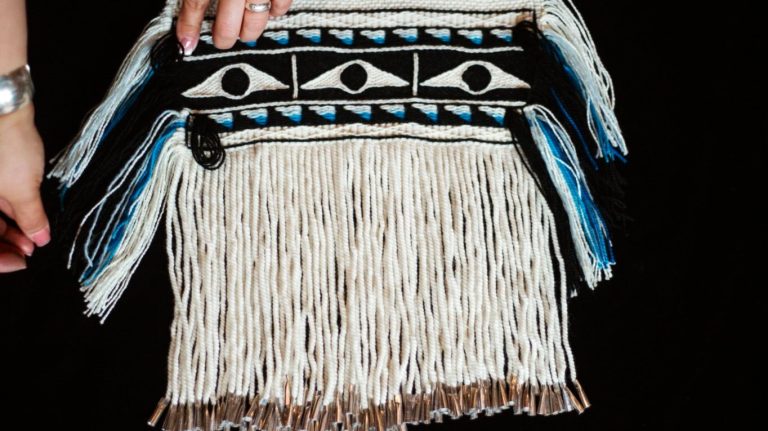
After 103 years, the Santa Fe Indian Market remains the biggest draw for Native artists, potters, and jewelry makers as well as those who appreciate and collect their work. More than 1.000 juried participants come from hundreds of Native communities, offering a hugely diverse range of inspiring work. We’ll take a small sample of that creativity and check in on the outlook for Native arts and arts education.
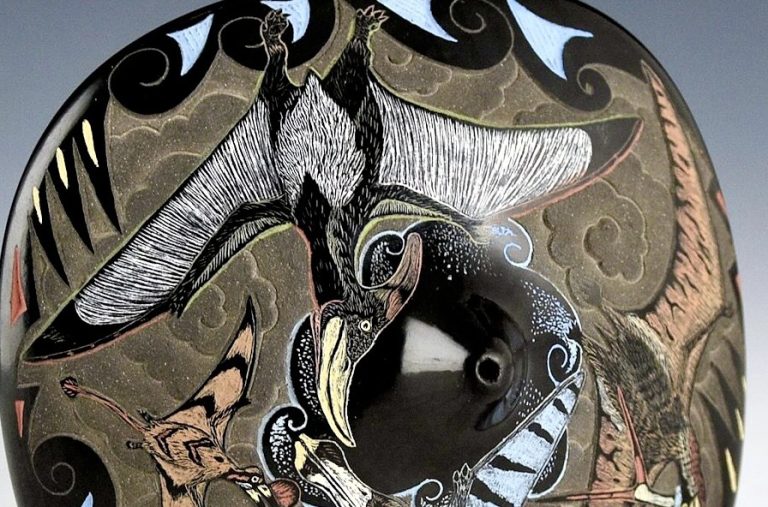
Distinctly Native American artwork, fashion, and films converge again for the annual Santa Fe Indian Market, with at least 1,000 booths and somewhere around 100,000 visitors. Native America Calling is live from Santa Fe, hearing from Southwestern Association for Indian Arts representatives, 2023 Best In Show winner Jennifer Tafoya, curators from the Native Cinema Showcase, and others to get a preview of the largest juried Native art market in the world.
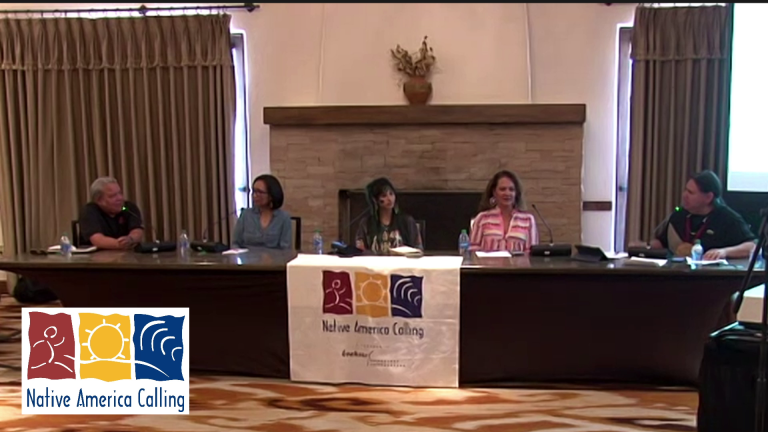
Listen back to Native America Calling’s live broadcast from the Santa Fe Indian Market featuring host Shawn Spruce and guests Dawn Houle (Chippewa Cree from Rocky Boy Montana), Mandolin Rain Song (Taos Pueblo), Jennifer Johns (Diné), and Jason Garcia (Santa Clara Pueblo).
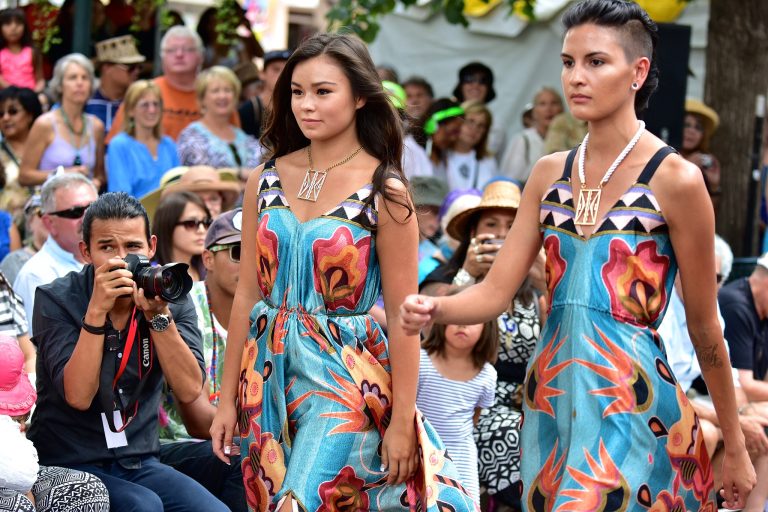
Artists from hundreds of Native nations are tending to their booths in the streets of Santa Fe, selling works they’ve labored for months to prepare. SWAIA’s Santa Fe Indian Market has come a long way in 100 years. Today on Native America Calling, Shawn Spruce is live from Indian Market for a second day with Dr. Suzanne Newman Fricke, director of Gallery Hózhó at Hotel Chaco; Dr. Robert Martin (Cherokee), Institute of American Indian Arts president, to get a feel for what’s in store for the next century; Amber Dawn Bear Robe (Siksika Nation), Indigenous Fashion Show producer for the Southwestern Association for Indian Arts and art history professor at the Institute for American Indian Arts; Dr. Jessica Metcalfe (Turtle Mountain Chippewa), owner of Beyond Buckskin; and Kristin Gentry (Choctaw), artist, photographer, writer, and curator.
