Podcast: Play in new window | Download (Duration: 57:13 — 39.3MB) | Embed
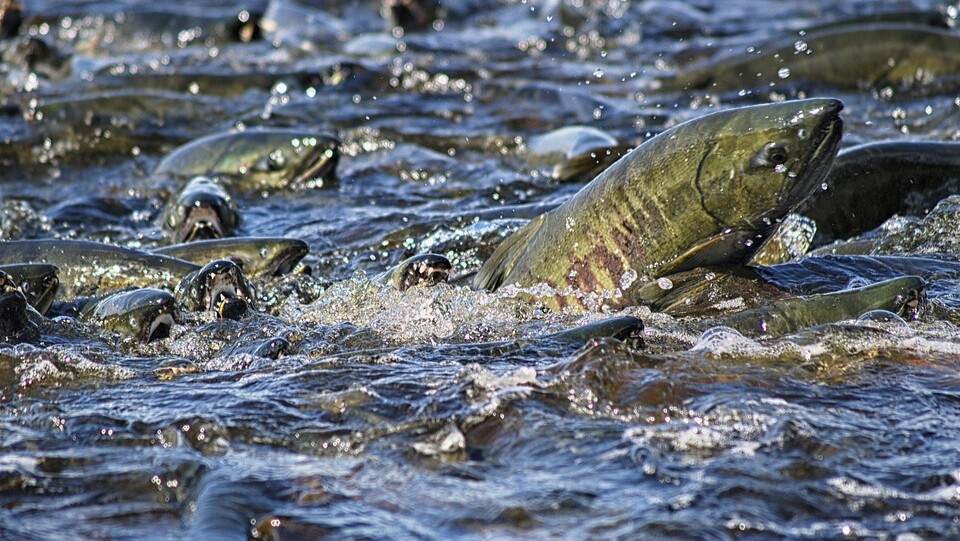
The federal panel that oversees commercial and subsistence fishing in Alaska is putting a hard limit on the number of chum salmon that are caught — and wasted — by commercial pollack trawlers. It is a long awaited — and controversial — decision by the North Pacific Fishery Management Council after years of outcry by tribes to address the factors that go into the disappearing runs of salmon that Alaska Native people have always relied on for survival. Although presented as a compromise, the bycatch limit is seen as a severe blow by commercial fishers, who say such restrictions could be catastrophic to the industry. The decision comes as the state also instituted severe regional restrictions on king salmon fishing because of low numbers. They are among the latest measures to address the big and complex ecological threats to what is historically the most productive salmon fishery in the world.
GUESTS
Charles Wright (Athabascan), secretary/treasurer for Tanana Chiefs Conference
Jonathan Samuelson (Yup’iaq and Dene), vice-chair of the Kuskokwim River Inter-Tribal Fish Commission
Craig Chythlook (Yup’ik), executive director of the Yukon River Inter-Tribal Fish Commission
Terese Vicente, policy and programs director for the Kuskokwim River Inter-Tribal Fish Commission
Full statement from the Alaska Pollock Fishery Alliance (APFA) mentioned in today’s show:
“The Council’s decision reflects the seriousness of the challenges facing Western Alaska chum salmon and the complexity of managing a dynamic fishery. The pollock industry respects the Council process and remains committed to working within this new framework while continuing to invest in science-based, real-time avoidance tools that have already delivered meaningful reductions in Western Alaska chum bycatch.
We share the goal of protecting salmon and the communities that depend on them while also providing the flexibility to respond to real-time fishing conditions. This allows the fleet to harvest its pollock while providing important benefits to Alaskan coastal and fishery dependent communities. While the alternative chosen establishes a restrictive cap and includes elements of fixed closures that may inhibit responsiveness to changing conditions, we understand the Council’s desire for strong incentives and clear parameters for management. We adhere to the principles of continuous improvement and will work with managers, scientists, and engaged partners to ensure the use of all available tools, including the use of real-time genetic analysis, to achieve meaningful conservation outcomes.”
Break 1 Music: Canoe Song (song) Chenoa (artist) Spirit of Salishan (album)

Leave a Reply