Podcast: Play in new window | Download (Duration: 56:30 — 38.8MB) | Embed
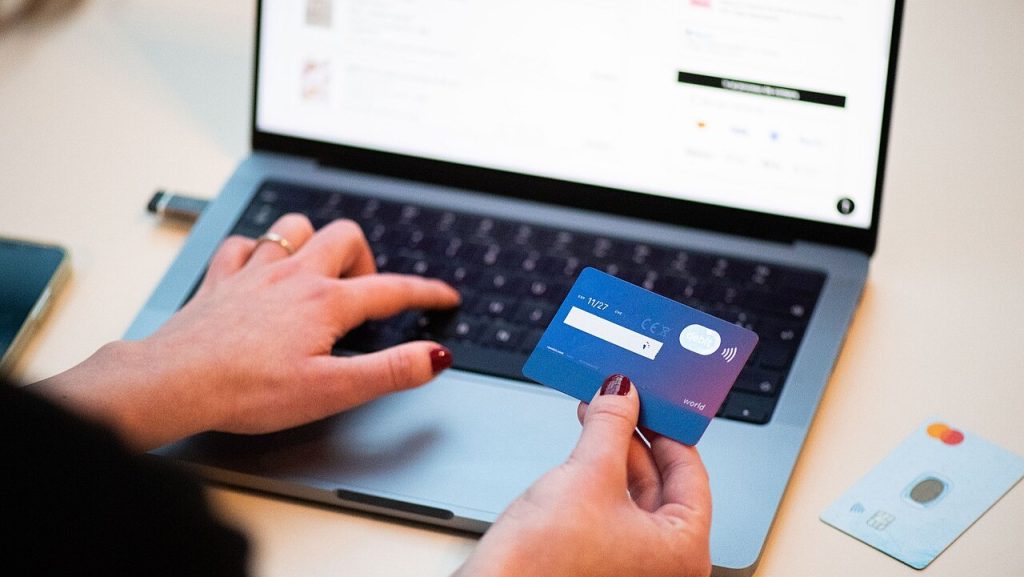
Paying to have a sandwich delivered to your door or even replacing a broken appliance is as easy as clicking an app and worrying about the bill later. Apps like Klarna and Afterpay allow consumers to pay installments for goods they can have in hand right away. A new report by Lending Tree finds 4 in 10 Americans now use pay later loans for groceries, an increase from the previous year fueled partly in a rise in prices. Financial literacy experts warn of the potential for consumers to quickly lose control of spending with such apps, but even for consumers using conventional methods, keeping on top of increasing costs for food and gas means more disciplined spending, at least in the short term. We’ll go over ideas for keeping a lid on personal finances.
We’ll also hear about the uncertain future of a federal Native financial grant and loan program that is slated for elimination with President Donald Trump’s 2027 budget proposal. The $28 million program aids Native communities with homeownership, credit building, and entrepreneurship, but the administration says it is promoting “cultural Marxism“.
GUESTS
Chantay Moore (Diné), certified financial educator
Pete Upton (Ponca), CEO and chairperson of the Native CDFI Network and the executive director of the Native360 Loan Fund
Billboard Music: Money (song) Pink Floyd (artist) The Dark Side of the Moon (album)
Break 1 Music: C.R.E.A.M. [Instrumental] (song) Wu-Tang Clan (artist) Enter the Wu-Tang: 36 Chambers [Instrumentals] (album)
Break 2 Music: Further From the Country (song) William Prince (artist) Further From the Country (album)

I understand poverty, have experienced it myself, and can foresee it in my future. I’m disappointed in some of the advice given on this program. I know every dime and dollar counts toward feeding one’s family but signing up to give all your personal data to lots of corporations via apps and digital coupons is a trade-off you may not be able to escape later. Plus the more you’re online, the more extractive resources you use, the more addicted you get, which hurts Indigenous and poor people the most.
I’ve been working on getting rid of old, online accounts and it’s really hard. It’s arduous, time-consuming, maddening. If they even let you fully delete an account, sometimes it can take months or years before it’s purged or archived (your history is never really deleted). And everything is interconnected with everything else so it gets to be a huge, if not impossible, hassle to overcome. Not to mention they are surveilling you and all you do and purchase just so they can persuade you to buy more you don’t need, track everywhere you go, watch every move you make.
So, if there’s any way people can save money without giving your data away to those in power who use it against you, I think that’s better. I KNOW these are desperate times which are about to get a lot worse but the less we use cash, the more it hurts the poorest.
I put a Native couple’s motel room on my credit card because they arrived with reservations but were stunned to learn that the motel’s new policy didn’t accept cash anymore. I happened to be in the lobby getting ice when I saw the look on their faces that they were not going to have a safe place to sleep. That’s just one example of how we are trading these so-called digital conveniences and monetary savings for safety.
For more examples of the downsides, I recommend this week’s Ralph Nader Radio Hour:
https://www.ralphnaderradiohour.com/p/meta-pays-upimpeachment-symposium