Statement from Indian Health Service regarding WSJ article
The Indian Health Service has made significant improvements to quality care for American Indians and Alaska Natives. The IHS aims to implement and sustain an effective quality program that improves patient experience and outcomes; strengthens organizational capacity; and ensures the delivery of reliable, high quality health care. Earlier this year, the IHS released a five year (2019-2023) Strategic Plan. This was a major step in establishing a culture of accountability and sustaining a quality program within the agency.
IHS is committed to an effective credentialing and privileging program that ensures we are hiring qualified clinicians. Some of the recent changes we have made include establishing for the first time an agency-wide Office of Quality. In order to provide oversight and support of credentialing and privileging across the agency, these functions are now under the new office. Other important improvements we have made to credentialing and privileging practices at the IHS include implementing an enterprise-wide deployment of an electronic credentialing software system in 2018, and for the first time hiring an IHS credentialing program manager.
At the IHS, we are taking the steps to ensure that our system is composed of robust processes that will deliver high quality care.
Response from Gonzaga University
Comment from Gonzaga University president Thayne McCulloh:
Wednesday, September 26, 2018 – Big flavor in small game
Podcast: Play in new window | Download (27.0MB) | Embed
Moose, bison and deer get a lot of attention in Native America—and rightfully so—because they are staples of Indigenous food and culture. But hanging out in the shadows of large game animals are the small ones; the little ground squirrels, rabbits, beavers and other snack-size animals that sustained Indigenous diets since time immemorial. They’re still making appearances on Native dinner tables, but not as often. In this program, we’re taking a look at small game hunting and eating.
Guests:
Taelor Barton (Cherokee) – chef
Jeff Kowchee (White Mountain Tribe) – BIA grant coordinator at White Mountain, AK and project coordinator and consultant for the SAMHSA suicide prevention program, corporation board member (finance board member), White Mountain Native Corporation
Twila Cassadore (San Carlos Apache Tribe) – indigenous food activist, cultural project assistant for the San Carlos Apache Tribe
Anna Sattler (Yupik) – creator and host of “Anna’s Alaska: Off The Eaten Path”
Break 1 Music: Muskrat Blues (song) Billy Joe Green (artist) Muskrat Blues and Rock & Roll (artist)
Break 2 Music: Chant (song) Robert Mirabal + ETHEL (artist) The River (album)
Vegan Recipes by Vincent Schilling and Delores Schilling
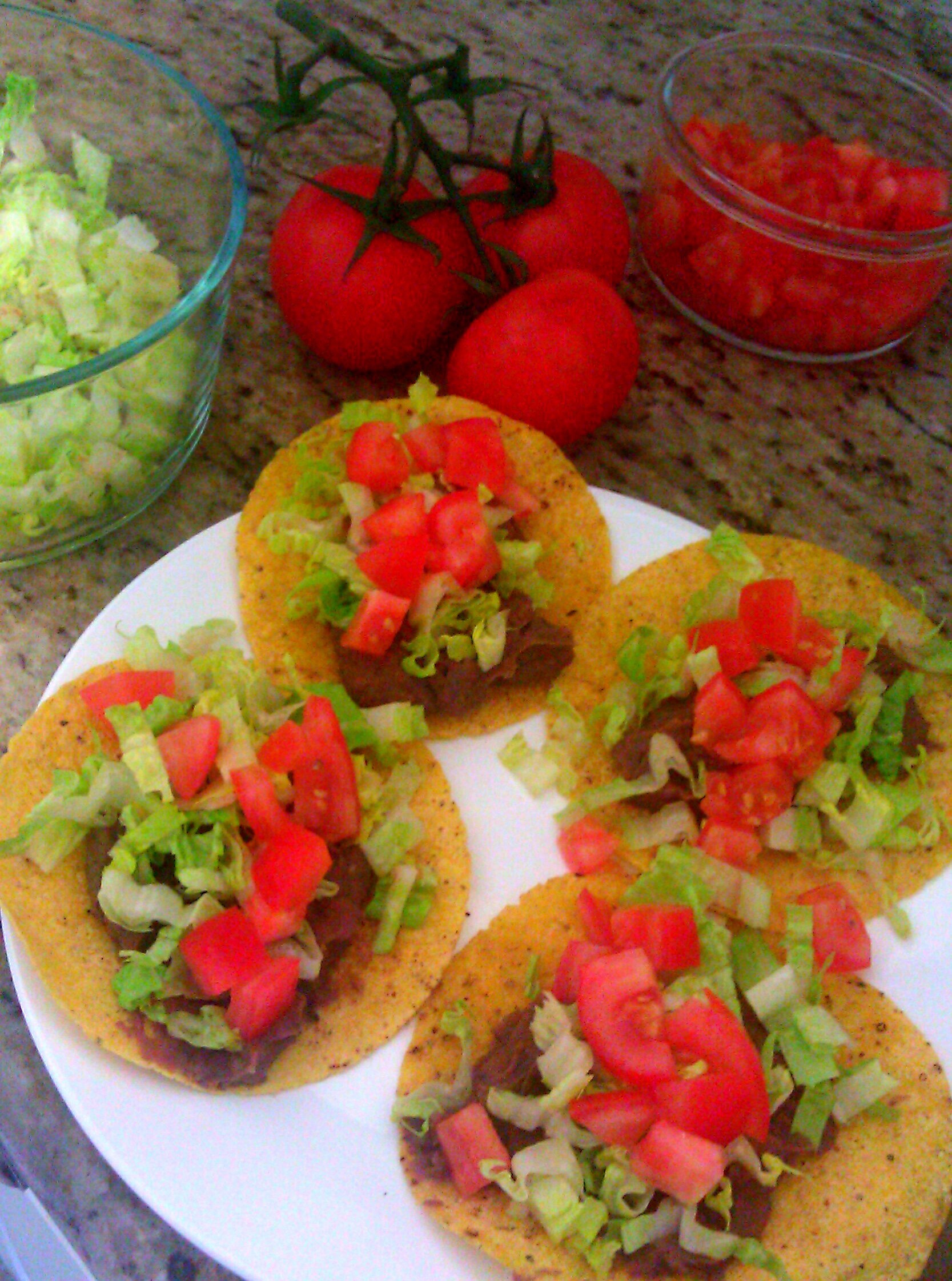
Don’t Overthink It: No-Fat Tacos
Ingredients
Corn Tortillas
Re-fried Beans
Salsa or Tomatoes
Lettuce
Hot Sauce
Directions
Lightly cover with corn tortillas with olive oil, broil in oven at 450 for one minute. Heat up the beans.
Load the taco.
Optional: Brown Rice is also a nice addition.
No Cholesterol Popcorn
Drizzle Olive Oil and Sea Salt on it – No butter needed.
Three Sisters Salad
Ingredients
Corn
Beans
Cucumber
Carrot
Tomato
Lettuce
Directions
Do you really need directions for a salad? Chop stuff up, put it in the bowl.
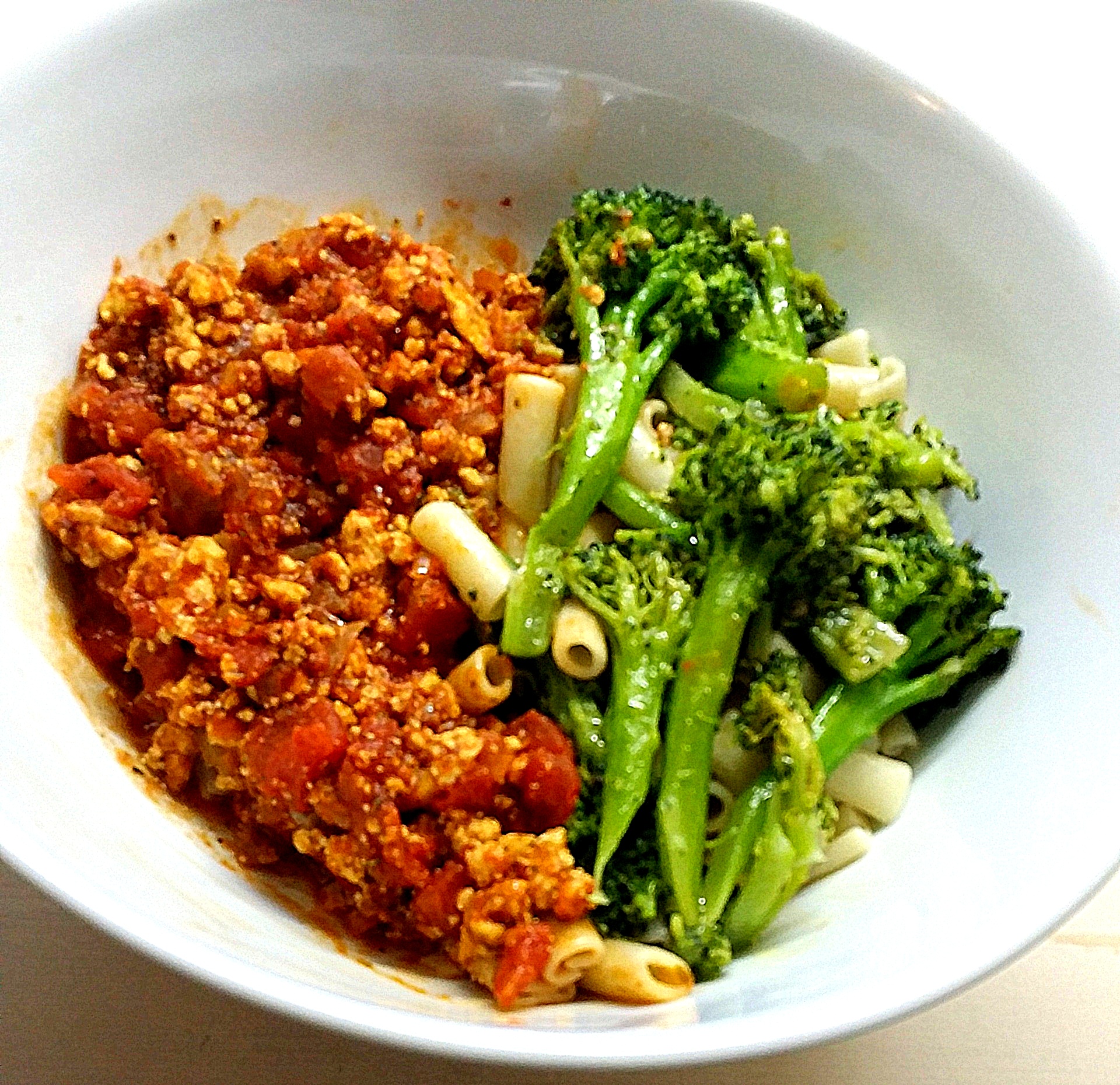
Heart Healthy Pasta Smash
Ingredients
Tofu – firm
Broccoli
BioNaturae Organic Gluten-Free Pasta (Soy and Corn) OR Brown Rice Pasta
Favorite jar of tomato sauce
Directions
Cook the pasta and drain as you are cooking everything else.
Sautee the broccoli
Crumble the tofu
Sautee the tofu similar to if you are cooking ground beef
Add soy sauce to the broccoli and a bit of olive oil
Heat the pasta sauce and add the sauteed crumbled tofu to the sauce
Add the sauce to the pasta
Add the broccoli
For added fat-content / protein add tahini to the sauce. Adds a bit of thickness to the sauce and even emulates a bit of a cheesy creamy texture.
Follow Delores Schilling on Twitter at @DelSchilling
Follow Vincent Schilling on Twitter at @VinceSchilling
Thursday, July 12, 2018 – Music Maker: Supaman
Podcast: Play in new window | Download (54.0MB) | Embed
Supaman, Christian Takes the Gun Parrish (Apsáalooke), is an award-winning hip-hop artist who regularly sports his fancy dancer regalia almost anywhere he goes. His music videos showing him looping songs in the desert and on the plains have been viewed millions of times. He also earned an MTV “Best Fight Against the System” award in 2017 for his part in the “Stand Up/Stand N Rock #NoDAPL” music video featuring Taboo and Shailene Woodley. Supaman is our July Music Maker.
Guest:
Christian Takes The Gun Parrish (Apsáalooke ) – Musician
Break Music: Godly Warriors (feat. Passionate MC) Supaman (artist) Illuminatives (album)
Friday, July 7, 2017 – Pueblo Feast Days!
Podcast: Play in new window | Download (27.0MB) | Embed
Feast days are a special time for the Pueblo communities. More than a dozen Pueblo nations in New Mexico welcome visitors to their villages throughout the year in celebration of culture and religion. Often the public is invited to view traditional dances and feast on tantalizing dishes that spotlight traditional foods and ingredients like red and green chile, oven bread, beans and corn. On this show we’ll learn more about the significance of these special days and how they evolved over the years.
Guests:
Monique Fragua (Jemez Pueblo) – director of the Indian Pueblo Cultural Center
Patrick Trujillo (Cochiti Pueblo/Jemez Pueblo) – director of the Native American Training Institute
Traci Martinez (Acoma Pueblo) – Sky City Cultural Center Gift Shop manager
Break music: Wim Ah I Wem, Tiwa (single) Gregg Analla (artist)
Thursday, July 6, 2017 – The power of the sun
Podcast: Play in new window | Download (27.0MB) | Embed
Solar power is a renewable energy resource that requires no pipelines. Solar generation adds no harmful emissions to the environment. So in an era of limits on fossil fuels, solar power makes a lot of sense. But the startup costs are high. On this show we’ll learn more about solar power projects in our Native Nations. Why doesn’t every house in sun-rich areas like the Southwest and California have solar power? Can solar power create more Native American jobs?
Guests:
Brett Isaac (Navajo/Hopi) – solar entrepreneur
Nick Tilsen (Oglala Lakota) – executive director of the Thunder Valley Community Development Corporation
Tim Willink (Navajo) – director of the Tribal Program at GRID Alternatives
Jana Ganion (Blue Lake Rancheria) – Sustainability Director for the Blue Lake Rancheria
Break music: Happy Sundance (song) Dallas Arcand (artist) Modern Day Warrior (album)
Wednesday, July 5, 2017 — Food appropriation
Podcast: Play in new window | Download (27.0MB) | Embed
The non-Indigenous owners of Kooks Burritos in Portland closed their pop-up shop in May after word got out that they stole tortilla recipes from Indigenous women in Mexico. Last year, renowned director Francis Ford Coppola opened Werowocomoco, a Native-themed restaurant. These are just two notable examples of how people appropriate food from outside their own cultures. We’ll find out how Native chefs feel about appropriation and ways they’re fighting it.
Guests:
Claudia Serrato (Purepécha) — anthropologist, professor and chef
Karlos Baca (Tewa, Diné, Ute) — Indigenous food chef
Neftalí Duran (Mixteco) — Oaxaca chef
Loretta Barrett Oden (Potawatomi) — chef from Oklahoma, creator and host of “Seasoned with Spirit: A Native Cook’s Journey,” an Emmy award-winning PBS mini-series
Break Music: For the Light (song) Digging Roots (artist) For the Light (song)
Tuesday, July 4, 2017— Encore: Salmon
Podcast: Play in new window | Download (27.0MB) | Embed
Every year the Yurok tribe holds a salmon festival to celebrate the gifts from the Klamath River in northern California. The historic low number of returning fish meant there was no actual salmon at their last festival. Whether it’s coho, sockeye or pink, salmon are important to a number of tribes in the Pacific Northwest and in Alaska. In this special encore presentation, we’ll talk with folks from different tribes about the cultural significance salmon offers and the potential threats to the natural resource.
(This is an encore show so we will not be taking calls during the hour.)